How Store Design Influences Customer Purchasing Behavior
Customers often decide within seconds what a store feels like. Even before they look at a product, the atmosphere, layout, lighting, and product presentation already play a major role. That is exactly what the psychology behind store design is all about.
Smart store design not only makes a store look attractive but also influences purchasing behavior. It determines where customers look, how long they stay, and which products stand out. Even small choices in layout can impact the customer experience, sales, and revenue.
Anyone who understands how people look and move sees store design as much more than just decoration. It’s a powerful tool for directing attention, showcasing products more effectively, and improving the customer journey.
Table of Contents
What is retail design, and why does it influence purchasing behavior?
Retail design refers to the overall layout and presentation of a retail space. This includes customer flow, shelving, displays, lighting, colors, materials, and product presentation.
A well-designed retail space helps customers to:
- Find products faster
- Stay in the store longer
- Discover more products
- Enjoy a more pleasant shopping experience
- Make a purchase more quickly
People react strongly to visual stimuli. The brain often processes atmosphere, color, and texture faster than words. That’s why a store’s ambiance directly determines how trustworthy, luxurious, or appealing a brand feels.
A cluttered store is more likely to create a sense of unease. A well-organized retail environment, on the other hand, instills confidence and a sense of calm.
Interesting fact: Customers are more likely to touch products in a calm and well-organized store. Products that are touched are subsequently purchased more often.
How Does Store Design Shape a Customer’s First Impression of a Store?
First impressions are often formed within seconds. Customers automatically notice the lighting, colors, space, and overall layout. Even before someone touches a product, they’ve already formed an impression of the store.
An open and well-organized store layout often results in:
- Greater trust
- A higher perception of quality
- A more relaxed shopping experience
- A more professional image
That’s why luxury stores often use plenty of space, calm colors, and minimalist displays. Discount stores, on the other hand, tend to opt for packed shelves and lots of promotional messaging.
Interesting fact: People subconsciously associate symmetry and order with quality and reliability.
Why is the shopping route in a store so important?
The customer flow determines which products customers see and how they move through the store. Smart routing ensures that visitors automatically pass by key products.
Many stores deliberately capitalize on viewing behavior. Upon entering, customers often head to the right first and then move clockwise through the store. That’s why new collections, promotions, and popular products are regularly placed on the right side.
A well-thought-out store layout helps to:
- Keep customers in the store longer
- Make more products visible
- Encourage impulse purchases
- Create a calm and organized atmosphere
Major retailers make clever use of this. At IKEA, for example, customers are deliberately guided past various home furnishings displays. As a result, visitors discover more products than they originally intended to buy.
Supermarkets also apply this psychology. Fresh products such as vegetables, fruit, and bread are often placed near the entrance because freshness immediately evokes a sense of quality.
How do colors, scents, and lighting influence customer behavior?
Colors, scents, and lighting have a direct impact on atmosphere and purchasing behavior. They determine how a store feels and what emotions arise while shopping.
What influence do colors have in a store?
Colors evoke different feelings:
- Red draws attention and creates a sense of urgency
- Blue conveys trust
- Green feels natural and soothing
- Black looks luxurious and exclusive
- White gives a fresh and premium look
For example, fast-food chains often use red and yellow because these colors evoke energy and speed.
Why is lighting important in retail design?
Lighting determines where customers look and how products are perceived. With the right lighting, stores can make products stand out while also adding ambiance to the space. For example, spotlights are often used to highlight best-selling products, while warm lighting creates a cozy and inviting atmosphere. Accent lighting helps draw more attention to displays, and bright lighting is frequently used for promotional items. Interesting fact: products under poor lighting are often perceived as less valuable.
Why do stores use scent marketing?
Scent has a strong influence on emotions and memories. A pleasant scent makes customers’ shopping experience more enjoyable and encourages them to browse longer.
That’s why many retailers use subtle scent marketing to enhance the atmosphere and brand experience.
Why does a smart store layout lead to higher sales?
A smart store layout influences how long customers stay. The longer someone takes their time browsing, the greater the chance of additional purchases.
That’s why stores use elements that create a sense of comfort and inspiration, such as:
- Clear layout
- Attractive displays
- Atmospheric presentations
- Ample space between products
- Inspiring product displays
Mirrors, seating areas, and natural materials can also contribute to a pleasant shopping experience.
Retail research consistently shows that customers spend more when they feel relaxed in a store environment.
Especially now that online shopping is becoming easier, the in-store experience plays an even greater role. Stores must not only showcase products to customers, but also inspire and surprise them.
How do product presentation and displays work together?
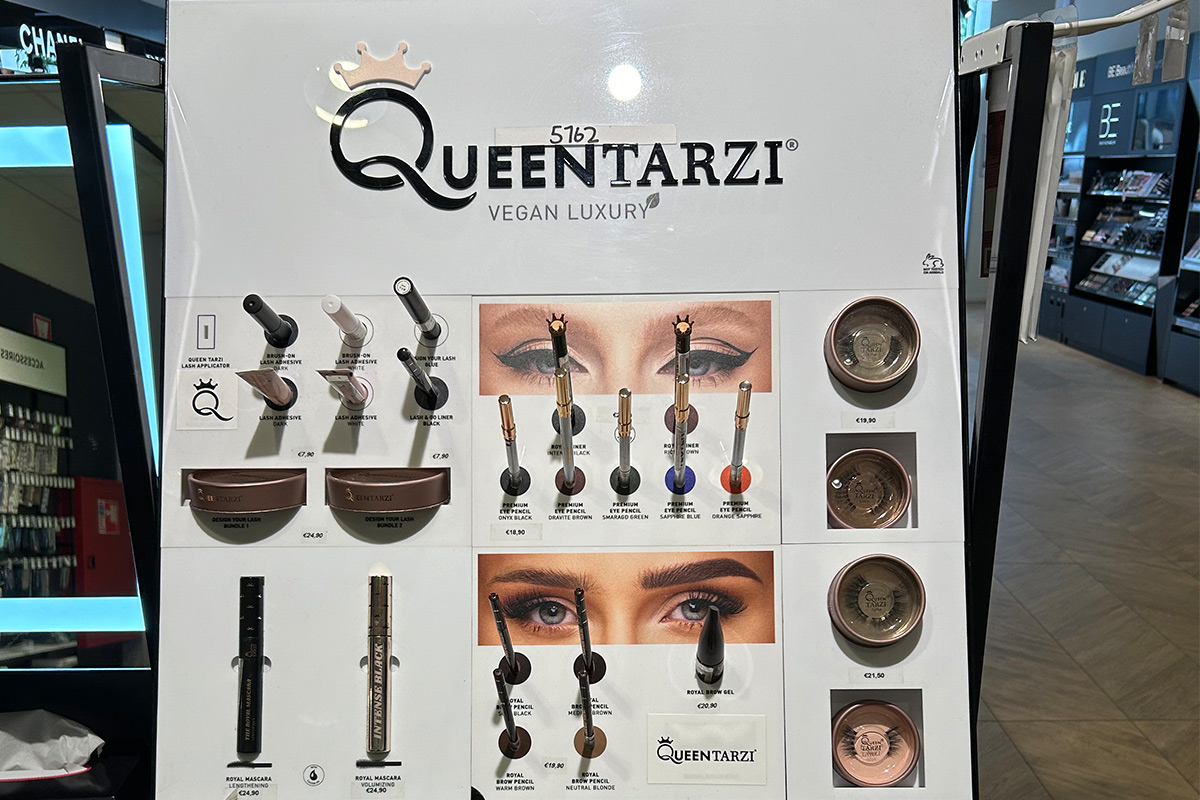
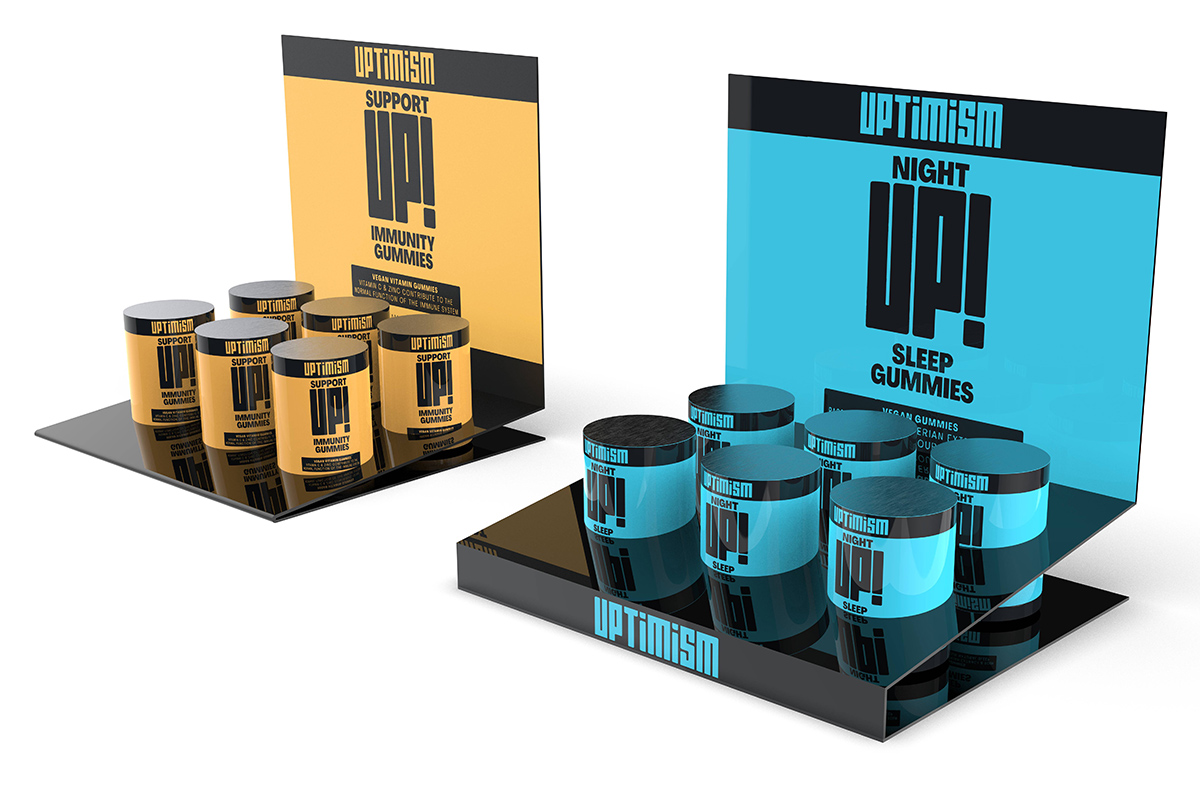
Displays play a major role in store design. They draw attention and add value to products.
A product sitting alone on a shelf receives less attention than the same product in a compelling display. Effective displays ensure:
- Greater focus
- Better visibility
- Added depth in the store
- A stronger brand experience
- More structure in the space
Displays make a big difference, especially for promotions, new collections, and seasonal products.
POS displays also help draw extra attention to products in places where customers make purchasing decisions.
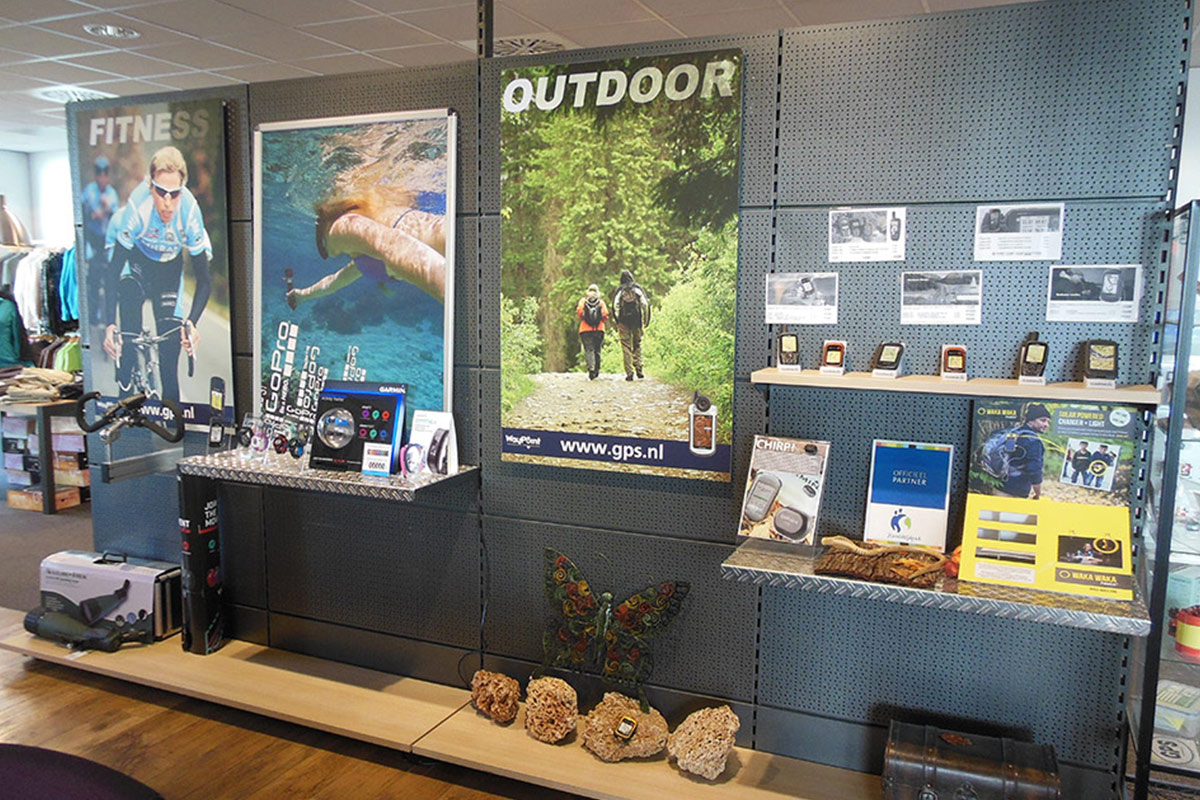
In fashion stores, product presentation often revolves around atmosphere and styling. In electronics stores, on the other hand, the focus is on clarity and product information. Each industry therefore requires a different approach to retail design.
Why are people more likely to buy in a calm store?
Too many stimuli lead to choice overload. When customers see too many products at once, it becomes harder to make decisions. This psychological effect is known as choice overload. A calm store environment therefore helps create a clearer overview, makes products more visible, and enables customers to make decisions more quickly.
This also makes it easier to encourage impulse purchases. Minimalist displays are particularly effective for luxury products and premium brands. An interesting detail: products placed at eye level typically sell better than those placed lower or higher.
What mistakes do stores often make when designing their layouts?
Many stores unknowingly miss out on sales opportunities due to unclear or cluttered layouts.
Common mistakes include:
- Too many products in a single space
- Poor customer flow
- Unclear product categories
- Insufficient lighting
- Outdated displays
- No clear focal points
- Products outside the customer’s line of sight
- A layout that doesn’t align with the brand
A crowded store, in particular, can overwhelm customers more quickly. Displaying fewer products often results in more attention being paid to each individual item.
How does store design vary by industry?
Every industry requires a different design and shopping experience. A clothing store often focuses on inspiration, atmosphere, and styling. That’s why collections are presented as complete looks with mood lighting and eye-catching displays.
A home furnishings store, on the other hand, is all about the experience and spatial inspiration. Products are often placed in complete settings so customers can better visualize how furniture and accessories will look in their homes.
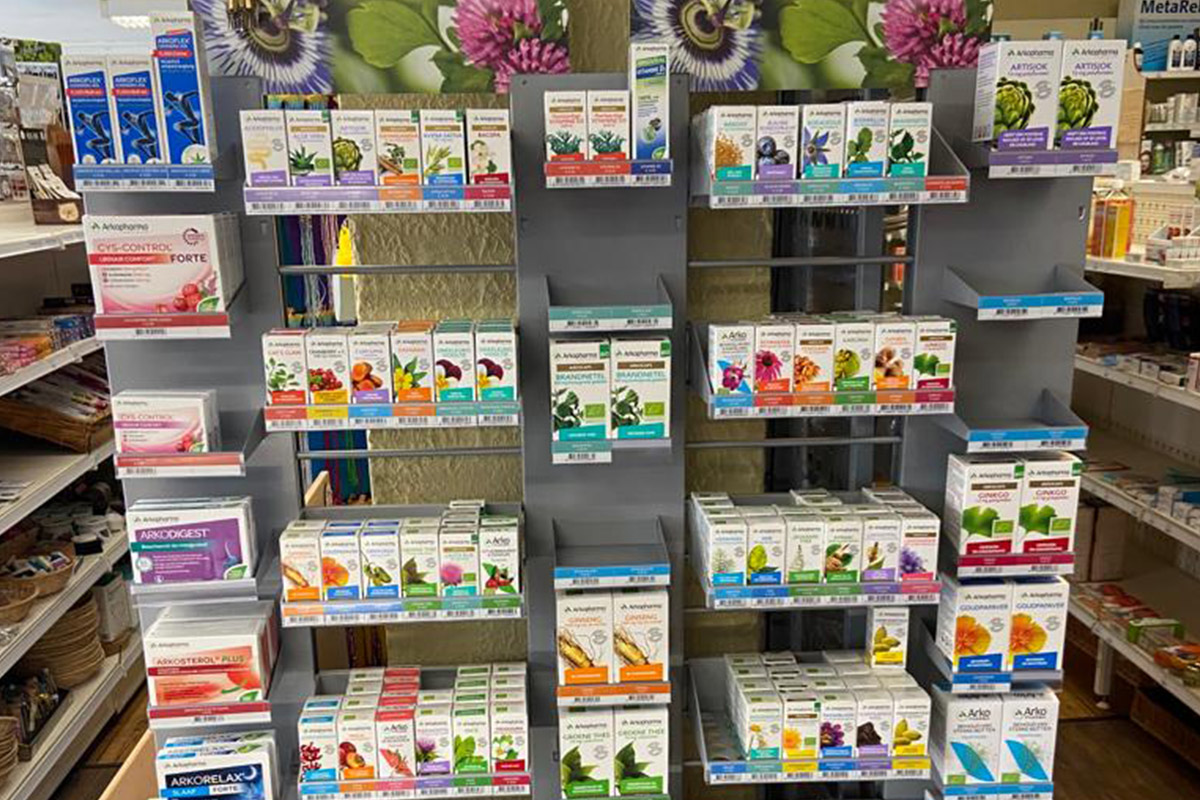
At drugstores and supermarkets, the focus is more on clarity, speed, and clear navigation. Customers want to be able to find products quickly there.
A successful store layout therefore always aligns with the purchasing behavior of the target audience.
How Does Store Design Align with Brand Perception?
A strong in-store experience feels like an extension of the brand. The store’s atmosphere must align with the target audience, products, and the company’s image.
A luxury brand often opts for:
- Peace and space
- High-quality materials
- Subtle lighting
- Minimalist presentation
A creative or young brand, on the other hand, tends to use:
- Eye-catching colors
- Playful displays
- Dynamic presentations
- More visual stimuli
When store design and brand identity work well together, they create a recognizable shopping experience that customers remember.
Frequently Asked Questions About Store Design
How does store design influence purchasing behavior?
Store design guides attention, customer flow, and atmosphere. As a result, customers stay in the store longer and discover more products.
Why is lighting so important in a store?
Lighting sets the mood, improves visibility, and creates focus. Good lighting makes products more appealing and enhances the perception of quality.
Which colors work well in store design?
That depends on the brand and the target audience. Colors such as black, white, green, blue, and red are widely used because of their psychological impact.
Why do stores place products at eye level?
Products at eye level are noticed more quickly and purchased more often.
What is visual merchandising?
Visual merchandising is the attractive presentation of products to boost sales and enhance the brand experience.
Why do stores use designated walking routes?
Walking routes ensure that customers pass by more products and stay in the store longer.
Why Smart Store Design Does More Than Just Look Good
Store design actively shapes how customers look, move, and make decisions. With the right customer flow, lighting, displays, and product presentation, you can create a shopping experience that fosters calm, focus, and trust. It is precisely this combination that makes products stand out more and keeps customers engaged longer. Dutch Display helps brands and retailers design store spaces more intelligently with displays and presentations that are not only visually striking but also contribute to sales, brand perception, and consumer behavior. Feel free to contact us for advice.