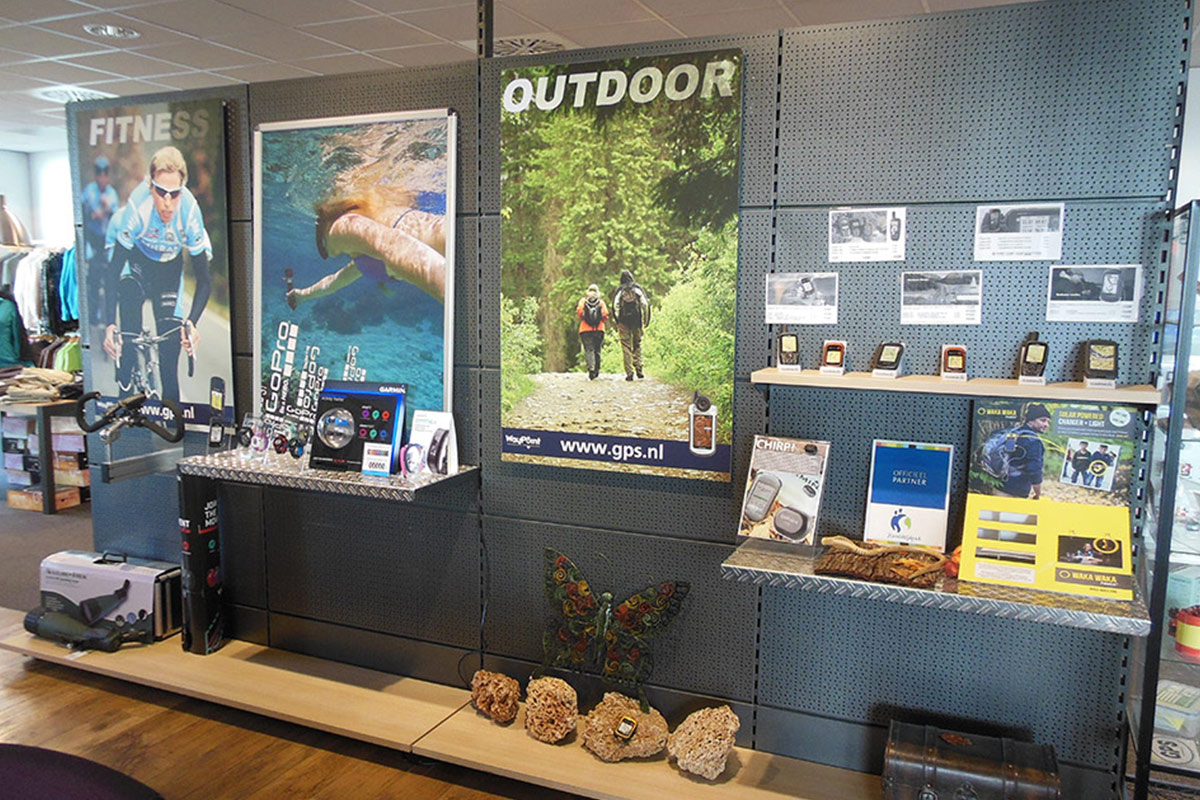
An empty storefront doesn’t sell anything
Walk down any shopping street and take a look around. What do you notice? More and more storefronts are empty. Or, at best, they’re filled with just a few products and a single sign. The atmosphere is gone, the story is missing, and you find yourself wondering: is this a store that’s open, or one that’s about to close? That’s striking, because the storefront used to be a store’s calling card—the place where you show who you are, what you sell, and why people should stop by. Why has that changed? And more importantly: what can you still do with it today?
In deze blog:
Storefront Displays in the Past: Attention, Atmosphere, and Storytelling
There was a time when storefront displays were little works of art. Each season had its own unique atmosphere. Designers worked with themes, colors, layers, and lighting. Mannequins were dressed, and products were carefully arranged. Passersby would stop for a moment—not because they wanted to buy something right away, but because it was fun to look at.
Why Storefronts Often Remain Empty Today
In many cases, it’s not a matter of unwillingness, but of time—or rather, a lack thereof. Store teams have gotten smaller, and campaigns follow one another more quickly. On top of that, window display design is a craft in its own right. Not everyone in the store knows where to start, let alone how to make a message visually appealing within a few square meters. So the window stays empty. Or something random is put in there, just so there’s at least something there. Some brands manage their displays entirely centrally, which in practice means standard posters are used, with no room for local input. The store manager isn’t allowed to change anything. And so the sense of involvement disappears. The result? Empty windows and a street scene that’s becoming less and less inviting to walk into.
What you’re missing out on without a storefront display
An empty storefront is a missed opportunity. Passersby barely notice you—until they take notice. And that only happens when there’s something to see. Without a well-designed storefront display, you’re also missing out on opportunities outside of business hours—think evenings, Sundays, or simply the moments when someone is on their way somewhere else. In a well-designed storefront, your brand remains visible, even if someone doesn’t step inside. For brands, it’s just as important to be visible in a storefront. A campaign that looks great inside but remains invisible outside is literally missing half the story. It’s precisely in the storefront that your brand connects with the street level—and that’s where the difference is made. For example, with a storefront display.
Visibility Starts at Street Level
A storefront doesn’t have to be complicated. It doesn’t have to change every week. But it does deserve attention. Because if you don’t show anything, you won’t be seen. Start with the storefront. Put something there that feels right. Something that says something. And if you’re not sure exactly what that should be? Then we’d be happy to help you create something that works. Contact us to explore the possibilities.