Nudging in Retail: How Design, Placement, and Repetition Influence Purchasing Behavior
People make thousands of decisions every day, often without consciously thinking about them. Within seconds, the brain determines whether something feels appealing, trustworthy, or interesting. That is precisely why nudging plays a major role in retail and visual communication. Smart choices in design, placement, and repetition subtly influence attention, behavior, and purchasing decisions.
Table of Contents
What exactly is nudging?
Nudging literally means giving a gentle nudge in the right direction. The principle comes from behavioral psychology and revolves around subtly influencing choices without forcing people to do anything.
A well-known example is the small fly that was placed in urinals at Amsterdam Airport Schiphol. Men automatically aimed better, resulting in a significant reduction in cleaning costs. A minimal visual cue proved to be enough to immediately change behavior.
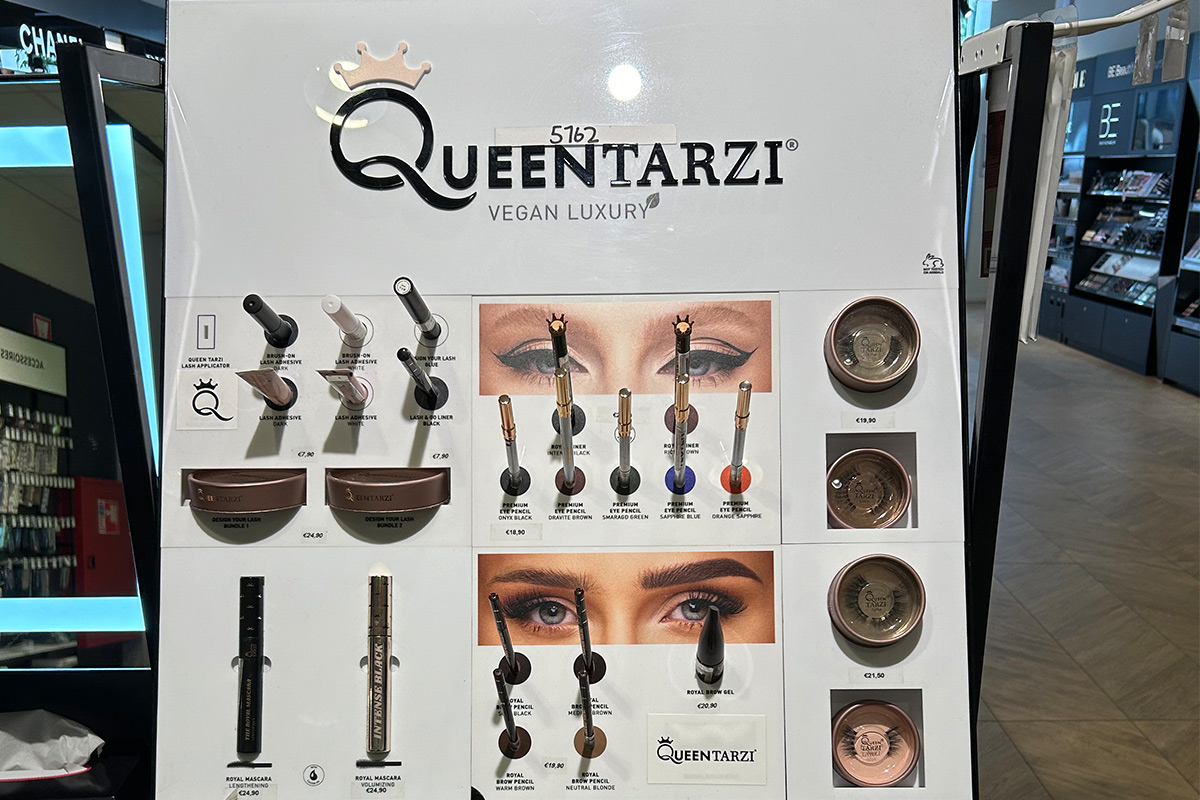
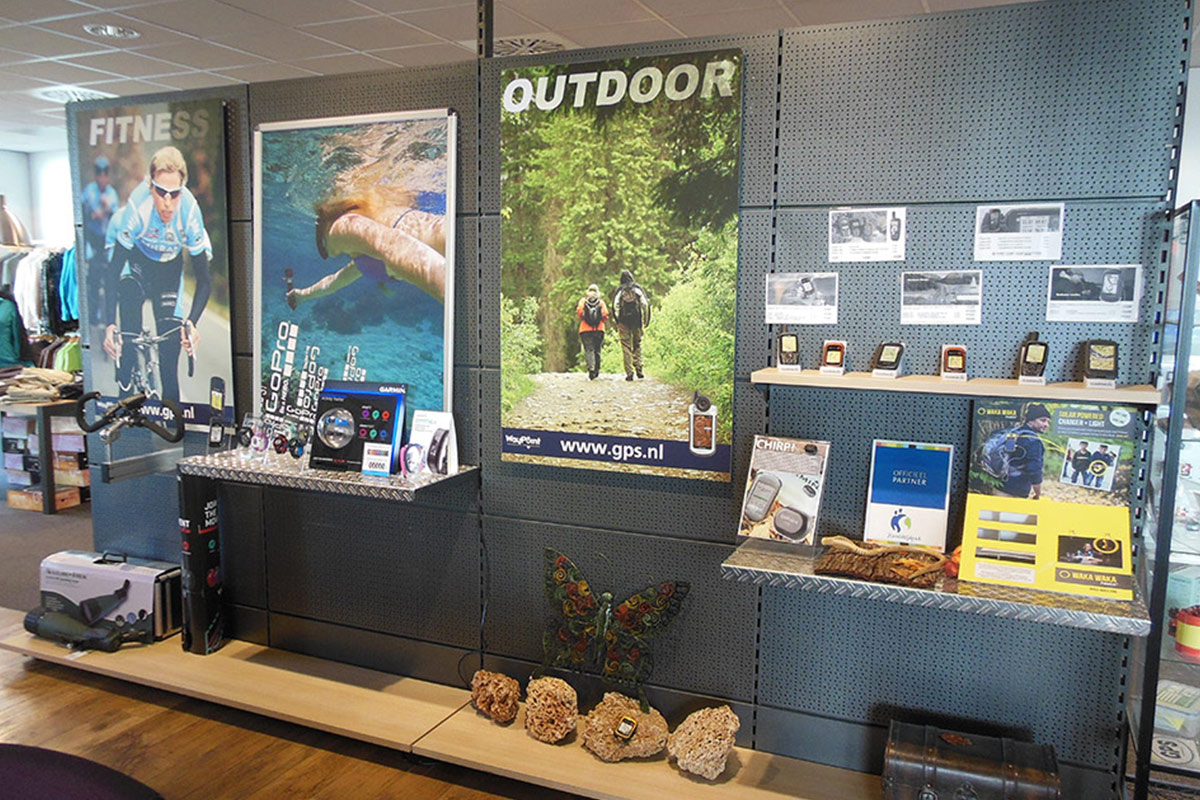
You also see nudging everywhere in stores. Think of products at eye level, eye-catching displays along walking paths, or repeated brand messages in a showroom. Often, consumers don’t even realize that their attention is being consciously steered.
Why does nudging work so quickly?
The human brain constantly tries to conserve energy. That’s why people make many decisions automatically, without thinking them through extensively.
In a retail environment, this happens constantly. Shoppers first scan colors, shapes, and contrasts before reading prices or product information. First impressions are often formed within just a few seconds.
That is precisely why retailers are investing more and more in smart in-store communication and visual presentation. Clear signage, recognizable branding, and well-organized displays make information easier to process. The less effort it takes to make choices, the more likely consumers are to take action.
How Does Shape Influence Our Behavior?
Design has a significant impact on how consumers perceive products and brands. It determines whether something feels friendly, luxurious, reliable, or eye-catching.
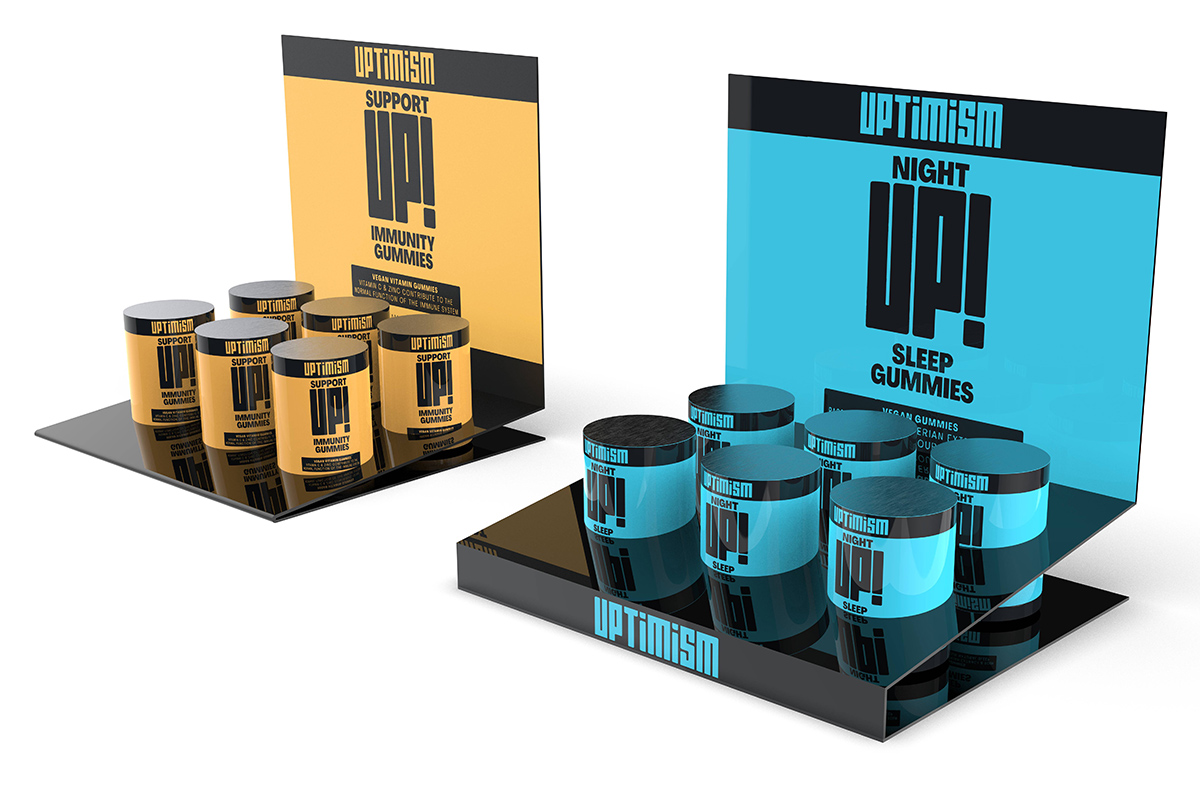
Rounded shapes are usually associated with accessibility and safety. That’s why many consumer brands use rounded shapes in packaging, logos, and displays. In contrast, clean lines and angular shapes feel more powerful and exclusive.
Size also plays an important role. Large visuals and eye-catching displays automatically attract more attention. Products presented on a larger scale feel more important and valuable.
Color further enhances that effect. Red evokes a sense of urgency and prompts action, while blue conveys trust. Green is often linked to sustainability and health. Research shows that color plays a major role in brand recognition and first impressions.
In neuromarketing, there is extensive research into how visual stimuli influence the brain. Shape, contrast, and color have been shown to have a direct effect on attention and emotion, often before consumers are even aware of it.
Why is placement so important?
Where a product or message is placed largely determines how much attention it receives. Products at eye level are noticed more quickly and purchased more often than products at the bottom of a shelf.
Supermarkets have been using this principle for years. A-brands are often placed in the center of the shelf, while impulse purchases are deliberately placed near the checkout. Children’s products are also strategically placed at children’s eye level.
It’s not just shelf layout that plays a role here. Customer flow also strongly influences behavior. In stores, people often unconsciously follow set walking paths. As a result, the layout of a space determines which products are seen and remembered.
At trade shows and in showrooms, this works exactly the same way. Visitors automatically respond to sightlines, open spaces, and visual focal points. Smart placement directs attention without visitors consciously realizing it.
How does repetition work in marketing?
Repetition fosters recognition and trust. The more often people see a brand, design, or message, the more familiar it feels. This psychological principle is known as the mere exposure effect.
Even when consumers aren’t consciously paying attention, the brain remembers colors, logos, shapes, and slogans. That’s why strong brands invest heavily in consistent branding and recognizable visual communication.
In retail environments, this is reflected in the consistent use of colors, recognizable store displays, and standard visual elements. Consistent repetition not only increases brand recognition, but also reinforces trust and purchase intent.
Repetition also plays an important role online. Think of retargeting ads, recurring campaigns, and recognizable call-to-action elements in online stores. The more often consumers encounter a brand, the more likely they are to remember and trust it.
Which nudging techniques work in retail and displays?
Retailers use various techniques to subtly influence attention and purchasing behavior. Displays play a key role in this.
A well-placed floor display along a busy walkway immediately grabs attention. Shelf stoppers help products stand out on crowded shelves, while lighting automatically draws focus to specific items.
Trade show booths also make clever use of nudging. Large visuals, open layouts, and clear focal points ensure that visitors stop more quickly and take in information. By cleverly combining contrast, changes in height, and lighting, more interaction is created on the trade show floor.
In addition, retailers often use social proof. Products labeled as popular or top picks automatically feel more trustworthy. Scarcity also strongly influences behavior. Messages such as “only a few left” increase urgency and trigger FOMO—the fear of missing out.
What is the impact of scent, light, and music?
Nudging goes beyond just visual communication. The senses also have a significant influence on purchasing behavior and brand perception.
Scent marketing, for example, is widely used in retail and hospitality. The smell of fresh bread in a supermarket stimulates the appetite and increases the likelihood of purchases. Stores and hotels are increasingly using recognizable scents to strengthen brand recall.
Music also influences behavior. Slow music encourages visitors to stay in a store longer, while calm background music creates a relaxed atmosphere.
Lighting also plays an important role. Warm lighting feels inviting and creates a cozy atmosphere, while bright light enhances focus and attention. That’s why retailers use different light intensities for premium products, promotions, or new collections.
How Does Digital Nudging Work in Online Stores?
Online nudging is getting smarter all the time. Online stores continuously analyze how visitors click, scroll, and navigate. Small adjustments can make a big difference in conversion rates and user experience.
Eye-catching call-to-action buttons, product recommendations, and smart product sequencing subconsciously guide visitors toward a purchase. Free shipping on orders over a certain amount and countdown timers also increase the likelihood of conversion.
Simplicity also plays a major role online. The fewer steps a user has to take, the greater the chance that an order will be completed. That’s why fast checkouts and clear navigation are so effective.
Companies use techniques such as heat maps and A/B testing for this purpose. These tools are used to precisely determine which shapes, colors, and positions yield the best results.
What is the difference between nudging and manipulation?
Nudging becomes manipulative when consumers are deliberately misled or pressured. Examples include hidden costs, misleading buttons, or subscriptions that are difficult to cancel. These are also known as “dark patterns.”
Good nudging, on the other hand, helps users make choices faster and more easily. It improves ease of use, clarity, and the customer experience without taking away freedom of choice. Retailers and brands have an important responsibility in this regard. Effective behavioral influence isn’t just about sales; trust and user-friendliness also play a key role.
How can you use nudging effectively in displays and presentations?
Cleverly designed standard displays do much more than just showcase products. They guide attention, customer flow, and interaction on the sales floor.
An effective presentation starts with a clear visual hierarchy. Key products should be immediately visible, while a sense of calm and simplicity helps customers process information more quickly. Overcrowded displays, on the other hand, cause decision fatigue and reduce attention.
The choice of materials also plays a role. Glossy surfaces attract attention more quickly, while natural materials convey a sense of calm and sustainability. Through the smart use of shape, lighting, and positioning, a presentation is created that automatically guides consumers toward a product or promotion.
As a result, it’s becoming increasingly important for brands to design display materials that are aesthetically pleasing, strategic, and psychologically savvy.
Why is nudging becoming increasingly important?
Consumers process enormous amounts of information every day. Attention has become a scarce resource. As a result, small visual details are making an increasingly significant difference.
These days, retailers don’t just compete on price or product quality. Attention and experience play an increasingly important role. Shape, color, placement, and repetition are increasingly determining which products are seen and remembered.
Cleverly applied nudging helps brands stand out faster, communicate more effectively, and make a greater impact on the sales floor.
This offers enormous opportunities for retail, trade shows, and point-of-sale communication. After all, a strong presentation not only sells a product but also subconsciously influences behavior.
Frequently Asked Questions About Nudging
What is nudging in retail?
Nudging in retail refers to subtly influencing purchasing behavior through product presentation, customer flow, displays, use of color, and visual communication.
Why does product placement work so well?
Products that are visible and strategically placed attract attention more quickly. Eye level and customer flow paths therefore have a major impact on sales results.
How does repetition influence consumer behavior?
Repetition fosters recognition and trust. The more often consumers see a brand or message, the more trustworthy it feels.
What is the difference between nudging and manipulation?
With nudging, consumers retain complete freedom of choice. Manipulation occurs when people are deliberately misled or pressured.
Why are displays important for nudging?
Displays attract attention, guide foot traffic, and make products more visible. As a result, they directly influence purchasing behavior and brand perception.
Smart Displays Make All the Difference on the Sales Floor
At Dutch Display, we understand how important attention and the shopping experience are on the sales floor. With custom displays, POS materials, and smart presentations, we help brands be visible at just the right moment. From retail stores and showrooms to trade shows and events, we develop display solutions that not only stand out but also contribute to customer flow, brand experience, and purchasing behavior. This creates a presentation that perfectly aligns with the consumer’s decision-making moment.
Would you like to learn more about this?