How to Design a Storefront Window: How to Draw Passersby Inside
A store window is often the first thing passersby see when they walk by a store. In just a few seconds, they form an impression of the atmosphere, the products, and the store’s overall appeal. That’s precisely why a store window isn’t just decoration—it’s a key part of how you attract attention and entice people to step inside.
Table of Contents
Why a Storefront Doesn’t Automatically Attract Attention
Designing a storefront seems simple. You display a few attractive products, add some ambiance, and wait for passersby to stop. In practice, it works differently. A storefront doesn’t automatically attract attention just because it contains products. People walk by, glance briefly, and decide within a few seconds whether your store is interesting enough to approach.
That’s precisely why a good storefront display is more than just a neat presentation. The storefront is the first visible point of contact between your store and passersby. Even before someone steps inside, they’ve already formed an impression of your style, price range, quality, and brand. A strong storefront display helps you stand out on the shopping street, spark curiosity, and lower the barrier to entry.
So, when you design a storefront display well, you’re not just showcasing products. You’re also showing why your store is worth visiting.
How Passersby View a Storefront
Passersby rarely look at a storefront while standing still. The first glance almost always happens while they’re moving. This means people first scan the storefront and only then take a closer look. In those first few seconds, they primarily react to contrast, shape, light, calmness, and a clear focal point.
That’s important to keep in mind when designing a store window. Many stores try to convey everything at once. The new collection, sale prices, atmosphere, product range, and brand story all need to be visible simultaneously. This makes the store window look cluttered and dilutes the core message.
A storefront is more effective if you first grab attention and then provide information. First, someone needs to get the sense that there’s something interesting to see. Only then does space open up to look at prices, products, or details.
What a Good Storefront Makes Immediately Clear
A good storefront doesn’t have to show everything. Above all, it must quickly make it clear what a passerby is looking at. What kind of store is this, what’s the atmosphere here, and is this relevant to me? These are the questions a passerby subconsciously answers.
A luxury boutique often relies on tranquility, space, and a limited number of products. A gift shop tends to focus on seasonal themes, color, and instantly recognizable gifts. A bakery, on the other hand, wins customers over with freshness, warmth, and an attractive presentation of a few standout products. An interior design store is more likely to draw attention with materials, composition, and style.
That’s why window display design is never a one-size-fits-all approach. The right design depends on your store, target audience, location, and goal. Still, there are clear principles that almost always work.
How to Design a Smart Window Display
Designing a smart window display starts with making choices. Not everything needs to be on display. In fact, selecting the right products and creating a clear layout are what make your storefront stand out.
Choose One Clear Focal Point
Every strong storefront display has an eye-catcher. This could be a product, a mannequin, a striking object, a promotional sign, or a thematic element. The focal point is the first thing to catch the eye and gives direction to the rest of the display.
Without a focal point, the eye wanders. Passersby may see a lot, but they’ll remember little. With a clear focal point, the window display becomes calmer, more impactful, and easier to take in at a glance.
Work with a Theme or Story
A store window becomes more impactful when it has a sense of cohesion. You can achieve this by working with a clear theme. Think of spring, holidays, sales, a new collection, sustainable living, back-to-school, or summer in the city. A theme helps you group products logically and makes the display more appealing to look at.
A good story doesn’t have to be complicated. Even a small storefront display can be highly effective if the colors, product selection, and atmosphere all work together.
Use Height and Depth
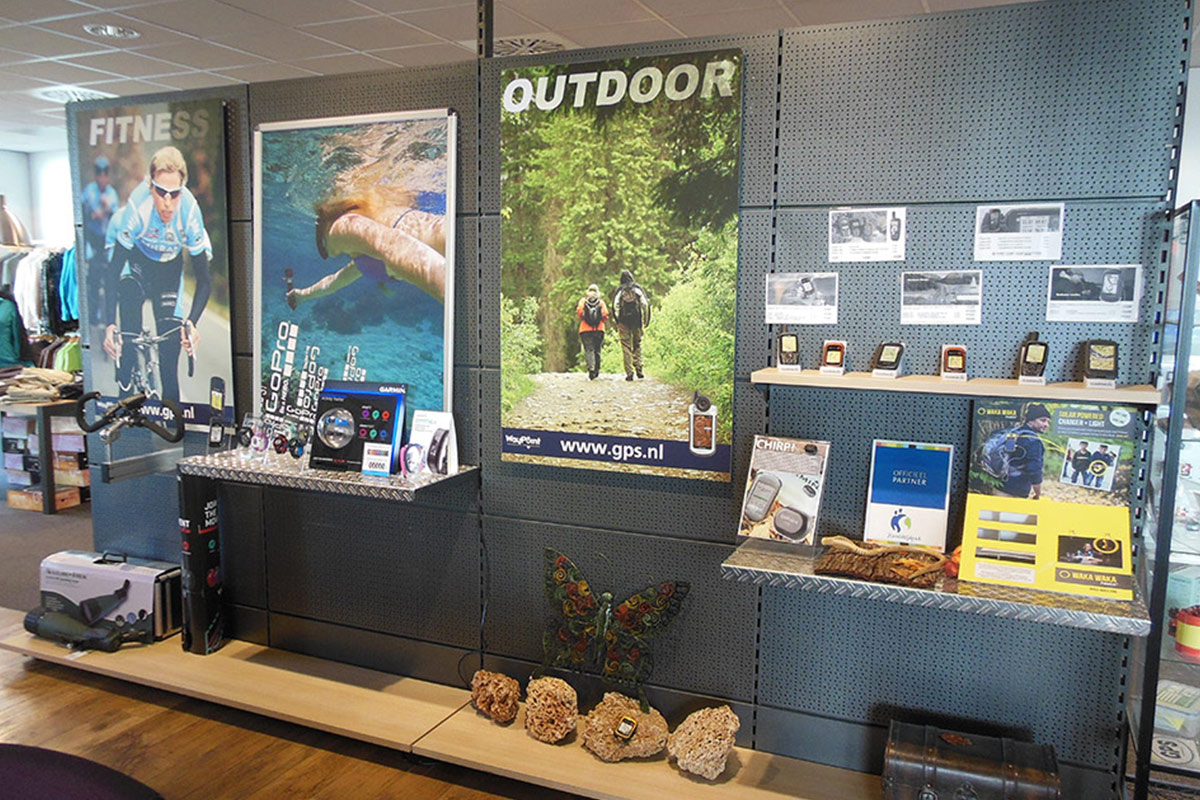
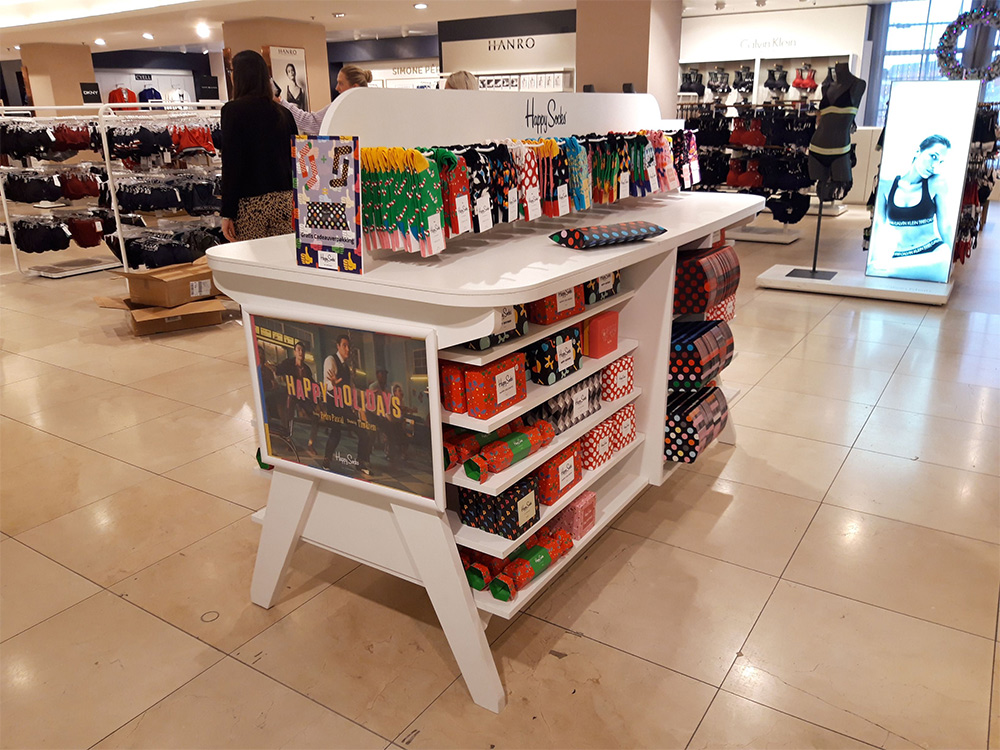
A flat storefront display can quickly look boring. When all products are at the same height, the display lacks visual interest. Using pedestals, stands, hanging points, or platforms creates more dynamism. This makes the display more appealing and helps guide the viewer’s gaze more effectively.
Differences in height also add value to the presentation. A product displayed on its own with space around it automatically attracts more attention than an item that gets lost in a crowded display.
Place the most important items at eye level
Eye level remains one of the most important spots in a storefront window. Products or messages placed there stand out more quickly. This applies to hero products as well as important pricing information or a brief promotional message.
Items placed too low are less noticeable. Items placed too high require too much effort to see. A smart window display design therefore takes sightlines and the direction of foot traffic into account.
Keep your messaging short and clear
A window display is not a brochure. Long texts usually don’t work well outdoors. People are walking, glance briefly, and make quick decisions. Therefore, opt for short messages, clear words, and visual simplicity.
A price tag, promotional text, or short sentence can work perfectly well, as long as it’s immediately readable. As soon as there’s too much text, different fonts, or multiple messages visible at once, the window display loses its impact.
Mistakes That Make a Window Display Less Effective
Many window displays lose their impact due to a few recurring mistakes. The good news is that these are usually easy to avoid.
Displaying too many products at once
A crowded storefront may seem appealing, but it often backfires. When everything is vying for attention, nothing really gets noticed. A selection of a few standout products usually works better than a complete overview of the entire product line.
Lacking a Clear Cohesion
Sometimes products, props, colors, and text appear disjointed in the store window. In such cases, the narrative is missing. Passersby see isolated elements rather than a cohesive presentation. This makes the store window look cluttered and less compelling.
Placing too much emphasis on text or price tags
Price communication is important, especially during sales. However, text should support the window display, not overshadow it. When price tags dominate, the atmosphere is lost, and the store looks cheap rather than attractive.
Leaving a window display up for too long
A window display that remains unchanged for weeks loses its ability to capture attention. Regular passersby, in particular, stop consciously noticing it over time. Regular updates ensure freshness, relevance, and renewed attention.
Failing to Align with the Interior
The window display sets expectations. When the atmosphere outside doesn’t match what someone finds inside, disappointment ensues. A good window display, therefore, aligns with the store’s interior design, customer flow, and product presentation.
How Lighting and Display Materials Make a Difference
Lighting is one of the most underrated aspects of window display design. Good lighting makes products more appealing, draws attention, and creates atmosphere. Without good lighting, a window display can quickly appear flat, dark, or lifeless.
With targeted lighting, you can draw extra attention to a featured product. Warm lighting helps build atmosphere. Sufficient contrast ensures that materials, colors, and shapes are more clearly visible. Storefront lighting is especially indispensable in the fall and winter.
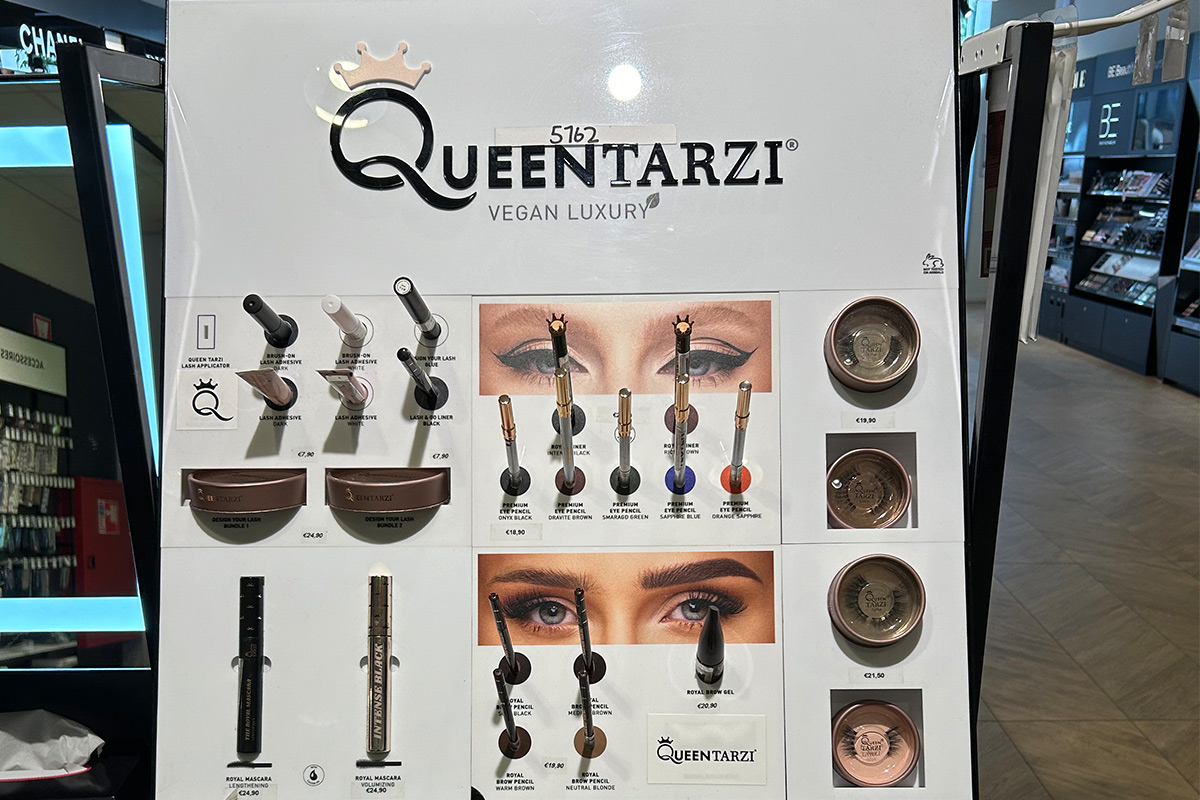
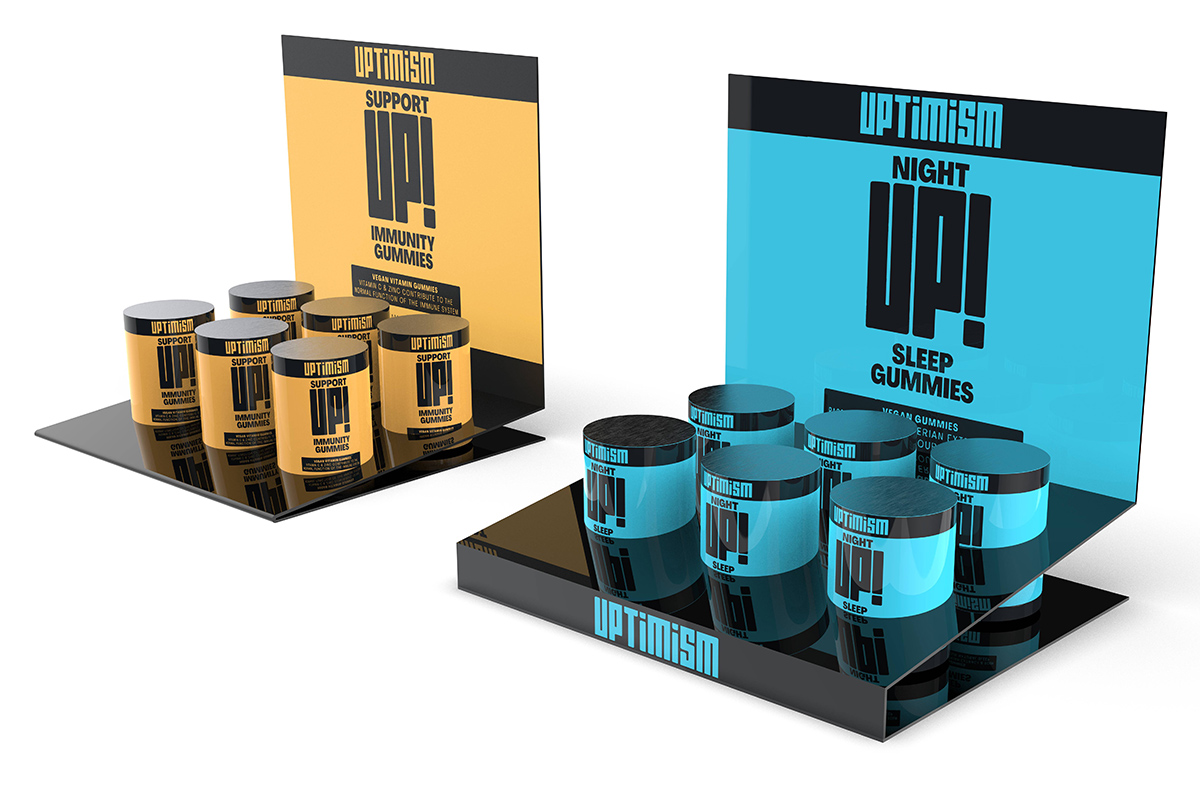
Presentation materials also play a major role. Think of displays, pedestals, card holders, poster frames, price signage, and product holders. These elements provide structure, height, clarity, and a professional look. They help transform a haphazard arrangement into a polished window display.
That’s often precisely where the difference lies between a storefront that looks nice and one that really works. A strong presentation is created when products, materials, signage, and layout reinforce one another.
For stores that want to design a window display as an extension of their brand, it’s wise to consider not only the styling but also the practical elements that support the presentation. That’s where a window display often becomes stronger, more cohesive, and more compelling.
How Often to Update a Storefront Display
There’s no hard-and-fast rule for how often you should update a storefront display. It depends on your location, target audience, industry, and the number of passersby. Still, one rule almost always applies: the more visible your store is, the more important it is to update the display.
On a busy shopping street, it may make sense to update the display every two to four weeks. In other situations, a monthly or seasonal change may be sufficient. You don’t have to completely rebuild the entire window display every time. Even small changes can make a difference.
Consider:
- A new product takes center stage
- A different pop of color
- Custom signage
- A seasonal change
- Extra height or a new display
- A promotional event or holiday
By keeping your storefront up to date, you show that your store is vibrant. Not only does this attract more attention, but it also gives returning passersby another reason to take a look.
The Benefits of a Strong Storefront
A strong storefront offers more than just a neat exterior. It increases your store’s visibility, reinforces the first impression, and boosts the chances of turning a passerby into a customer. That makes the storefront a crucial part of your store’s presentation and sales.
Specifically, a well-designed storefront can help to:
- Attract more attention on the shopping street
- Reach the right target audience
- Present products in a more appealing way
- Communicate promotions and seasonal offerings more effectively
- Strengthen the brand experience
- Encourage more store visits
This means that, in addition to being decorative, a storefront window is an active part of your commercial image—especially when you use a well-thought-out combination of window displays, in-store communication, and displays that suit your space and goals.
Conclusion: Why is designing a storefront window so important?
Designing a storefront window is important because passersby decide within a few seconds whether your store is worth their attention. A good storefront window not only catches the eye but also immediately makes it clear what you’re selling, what kind of atmosphere you’re creating, and why someone should step inside. Those who design a storefront window smartly work with focus, calm, height, light, and cohesion. It’s precisely this combination that makes products stand out more, gives the presentation a stronger impact, and gives your store a better chance of turning a passerby into a customer.