How do you choose the best display for your brand and target audience?
An in-store display is much more than just a product holder. It’s a silent salesperson that attracts customers, creates a brand experience, and drives sales. The right in-store display or POS presentation can make the difference between blending into the crowd and truly standing out. But how do you choose a display that perfectly matches your brand, product, and target audience? At Dutch Display, we design custom displays for various industries—from retail and hospitality to healthcare and tourism—combining design, strategy, and functionality. In this blog, you’ll discover proven success factors, real-world examples, and industry-specific advice to help you make the best choice.
In deze blog:
Brand Identity as the Starting Point for the Right Display
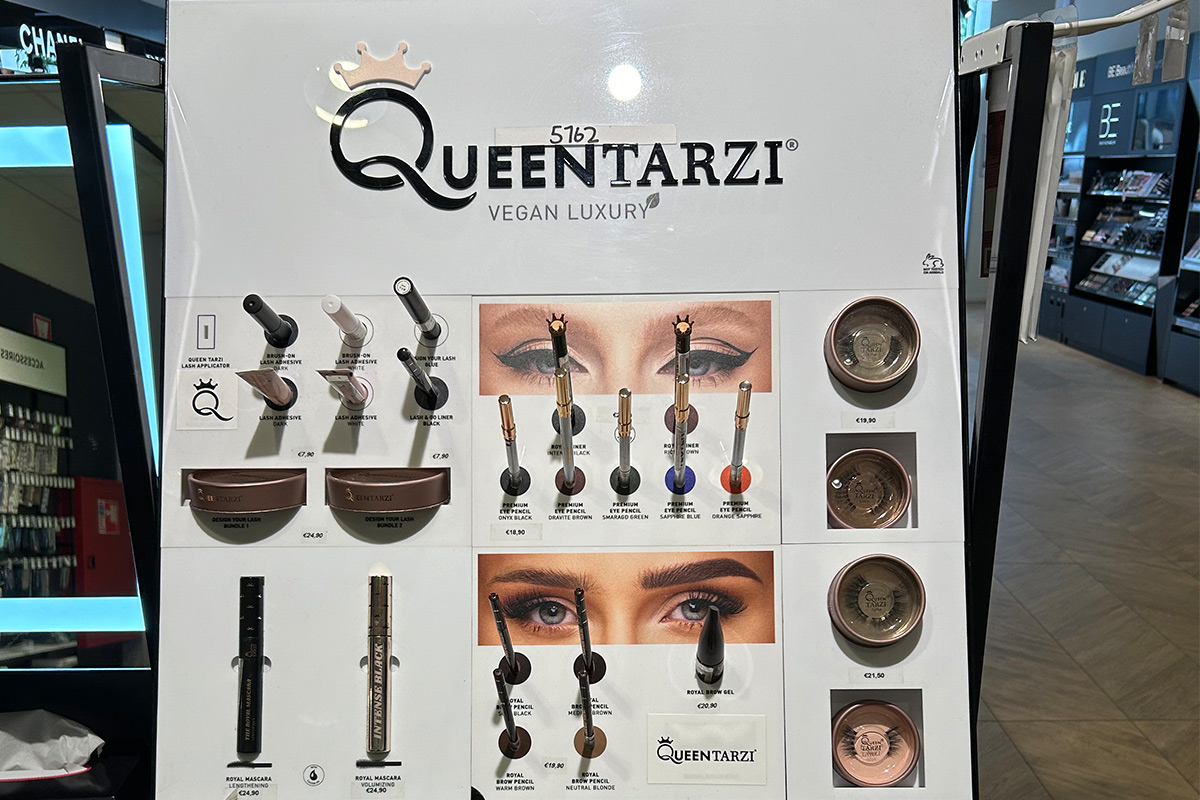
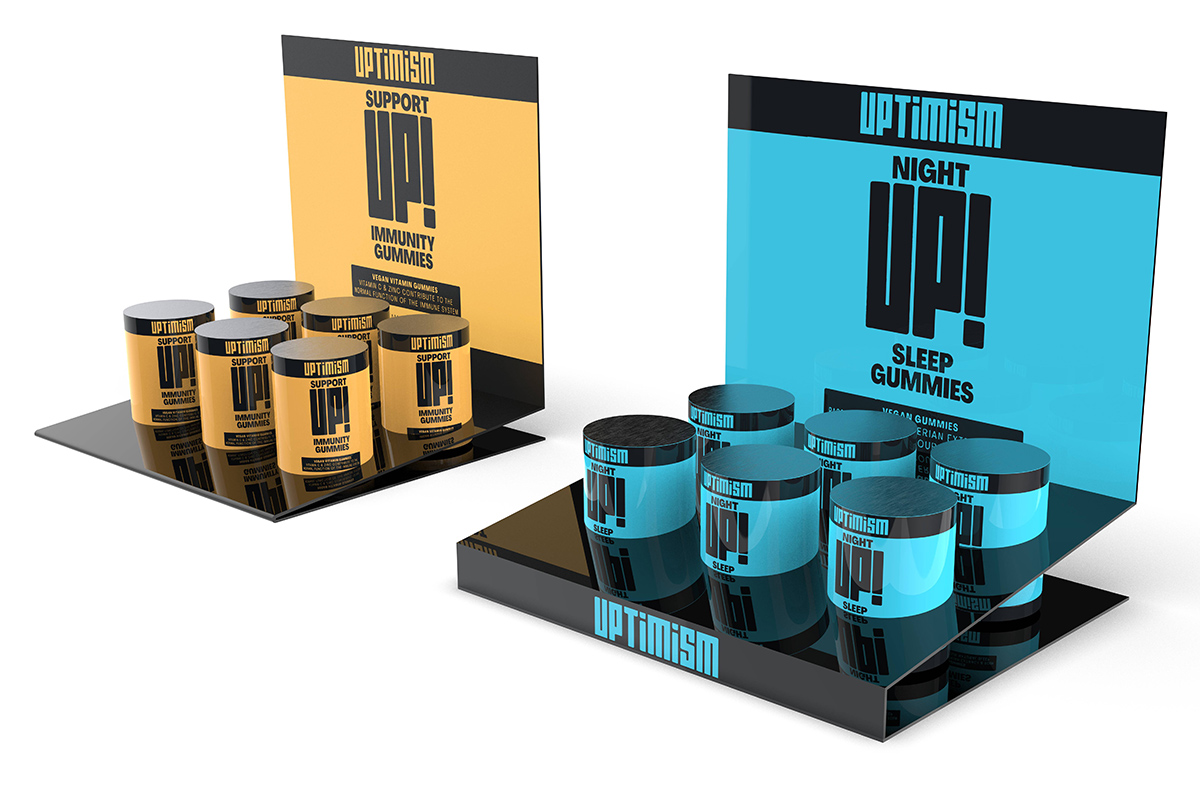
An effective display always starts with brand identity. Colors, style, and tone of voice must align seamlessly with your brand. Incorporate your logo, brand colors, fonts, and distinctive shapes. A luxury floor display for a high-end cosmetics brand requires a completely different look and feel than a cardboard promotional display for a seasonal sale at the supermarket.
Determine the display’s purpose and function
Not every display serves the same purpose. Ask yourself:
- Do you primarily want to increase sales through promotions and impulse buys?
- Do you want to enhance the brand experience through storytelling and atmosphere?
- Or are you showcasing a new product where explanation and visibility are key?
The type of product also plays a role. A high-end product calls for a sophisticated presentation, while a promotional item benefits from bright colors and price visibility.
Display Location Determines Shape and Size
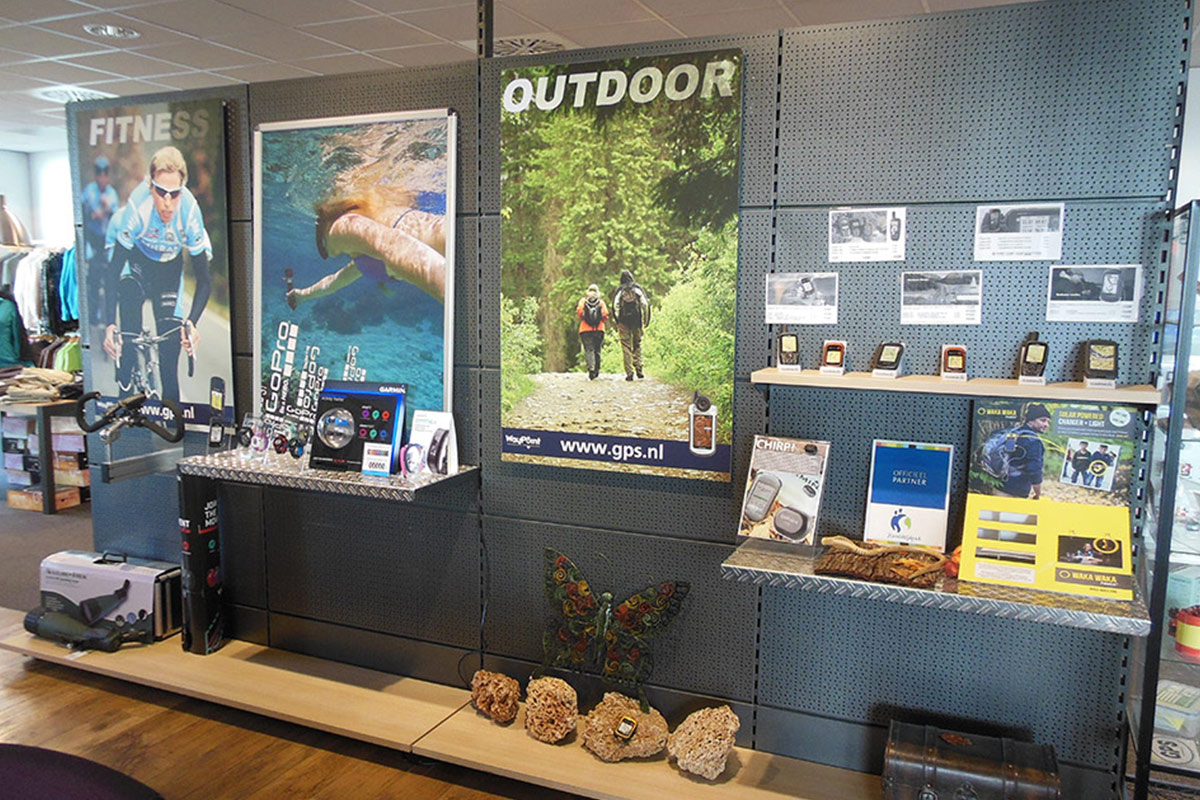
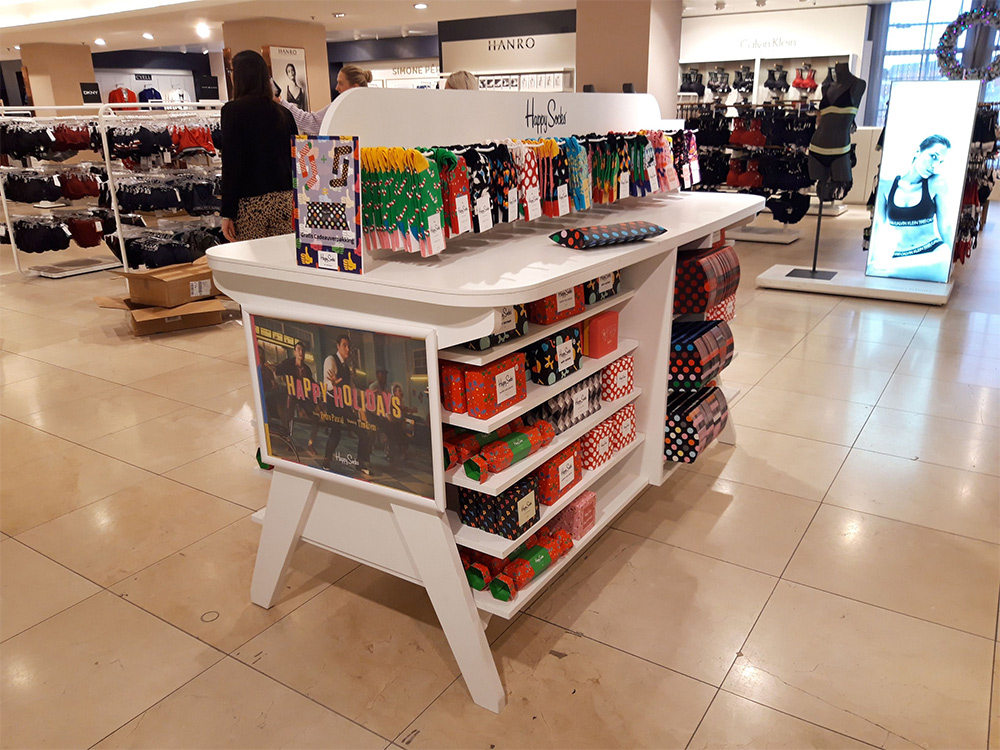
The location within the store largely determines the design and size of your product presentation. Near the checkout, compact counter displays work well for impulse purchases, while in the aisle or on the sales floor, eye-catching floor displays or shop-in-shop presentations ensure visibility. In the storefront window, the goal is to entice customers and draw them inside.
Tip: Consider not only the available space, but also customer flow, sightlines, and lighting.
Display materials determine durability
The material of your display influences its appearance and lifespan.
- Wood or metal: luxurious and durable, suitable for the hospitality industry or premium brands.
- Cardboard or plastic: ideal for short-term campaigns and promotions.
- Eco-friendly materials such as recycled wood, bamboo, or bioplastic: perfect for brands that want to convey sustainability.
Additional sustainability options: choose reusable modular systems that are easily customizable, use prints with eco-friendly inks, and opt for production processes with minimal CO₂ emissions to ensure your displays are both sustainable and effective.
Design with an Eye for Functionality and Impact
A good display design combines beauty and practicality.
- Place products at eye level
- Ensure a logical layout and flow of traffic
- Use color and contrast to attract attention
- Allow for white space to create a sense of calm and clarity
- Prominently display bestsellers, limited editions, and seasonal products
Digital and interactive possibilities
Modern displays go beyond mere physical presentation and increasingly incorporate digital technologies. Examples include digital screens for moving images and changing content, touchscreens with product information or ordering options, QR codes that link to additional content, reviews, or promotional offers, and even augmented reality that allows customers to virtually experience products.
Measurability and optimization
A display is only truly effective if you measure the results. Consider, for example:
- Sales increase per product
- Conversion rate (viewers versus buyers)
- Average spend per customer
- Number of interactions with interactive elements
Test different versions (A/B testing) and optimize based on data. This way, you’ll get the most out of your investment.
Industry-Specific Tips for Displays
Every industry has different requirements for a display, which means that the design, choice of materials, appearance, and functionality must be tailored to the specific target audience and usage environment.
Retail and Stores
Eye-catching colors, bright lighting, and the ability to touch and test products. Rotate store displays regularly to maximize attention.
Events and Trade Shows
Stand out immediately, reinforce brand identity, and encourage interaction to attract and engage visitors.
Healthcare
Calm tones, hygiene, and clear information. Safe and accessible for all visitors.
Automotive
A robust, high-quality look with space for product information and interactive elements such as touchscreens or augmented reality.
Education and Government
Interactive, visually educational, and child-friendly. Flexibly adaptable to themes or projects.
Hotels and Hospitality
Luxury materials, personalization, and a consistent brand experience throughout all spaces.
Tourism and Culture
Atmospheric imagery, inspiration, and incentives to book. Dynamic, visual presentations.
Food and Beverage
Consistent branding on table displays, menus, and promotional items. A combination of ambiance and clear communication.
Let your brand stand out with a custom display
The right display aligns perfectly with your brand strategy, target audience, and location. It combines a recognizable design with a practical layout, appropriate materials, and interactive elements where needed. At Dutch Display, we create custom displays that stand out, win over customers, and drive sales. No matter what industry you’re in, we’ll provide a presentation that reinforces your brand story and pays for itself.
In conclusion
Would you like to discover which display best showcases your brand and directly contributes to your sales results? Contact us today for personalized advice or request a no-obligation quote. Together, we’ll create a display that looks great and delivers a return on investment.