Custom Display

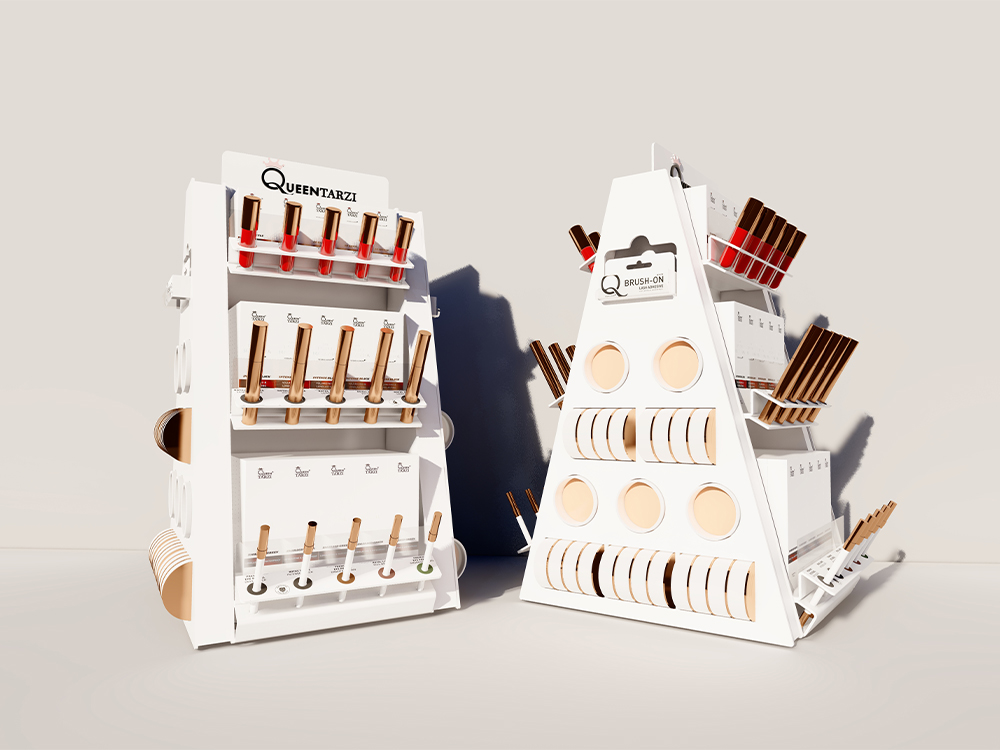
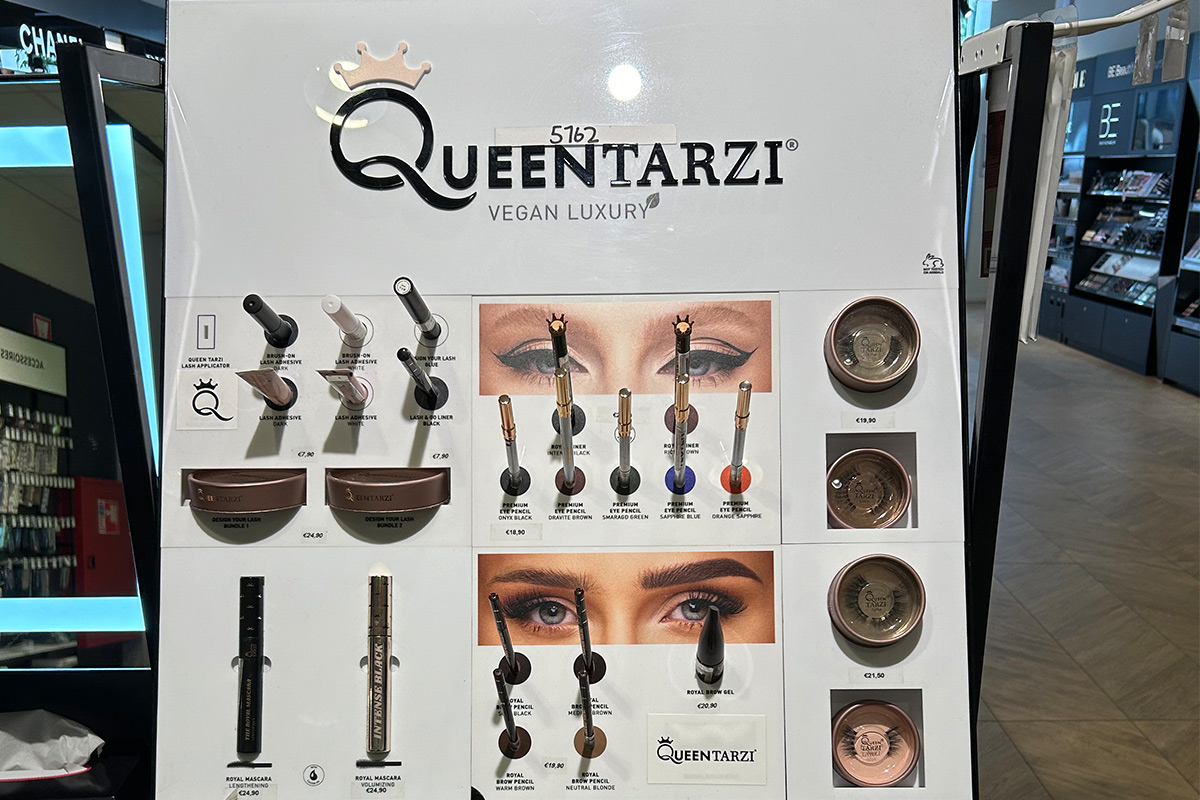
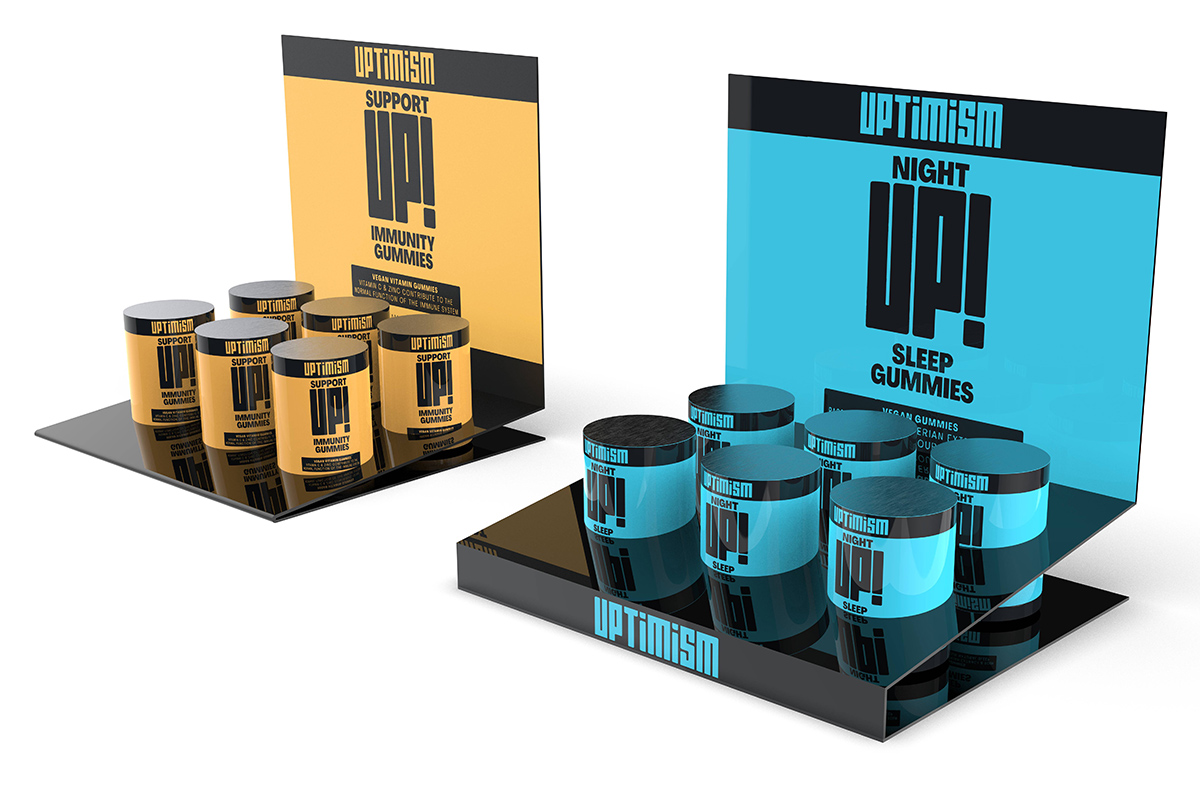
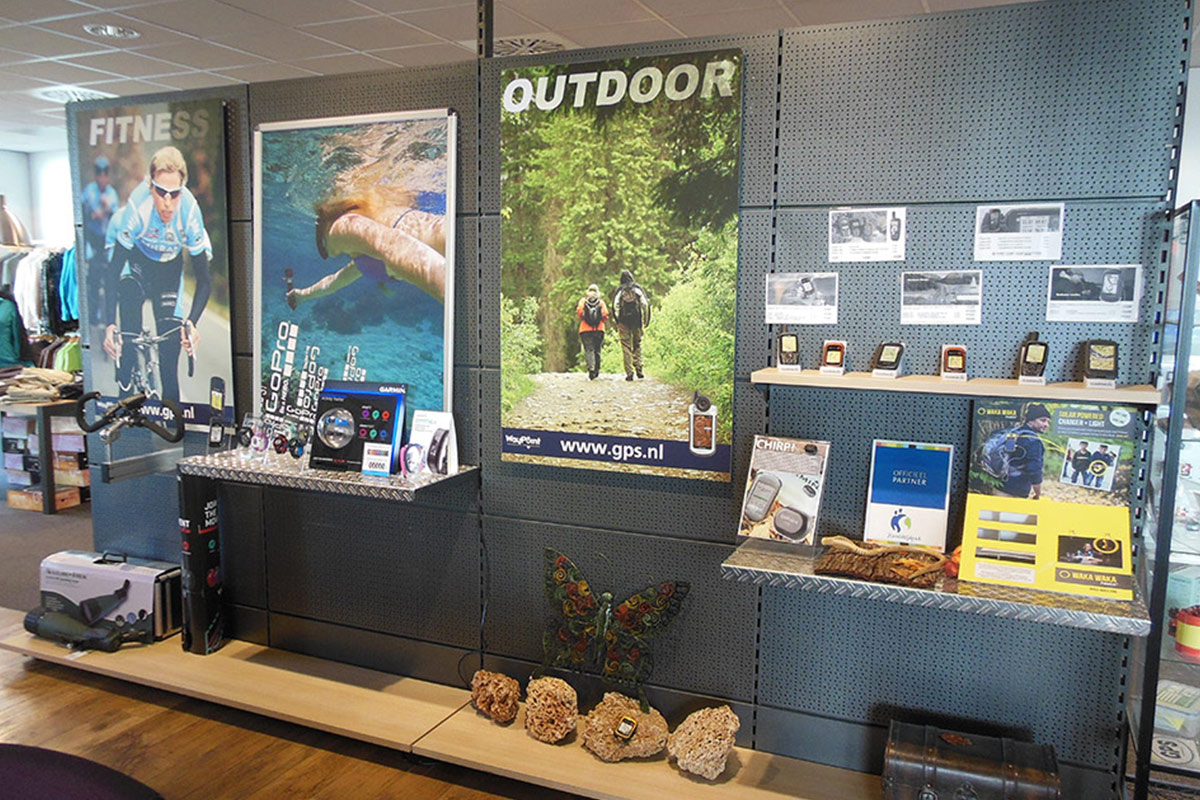
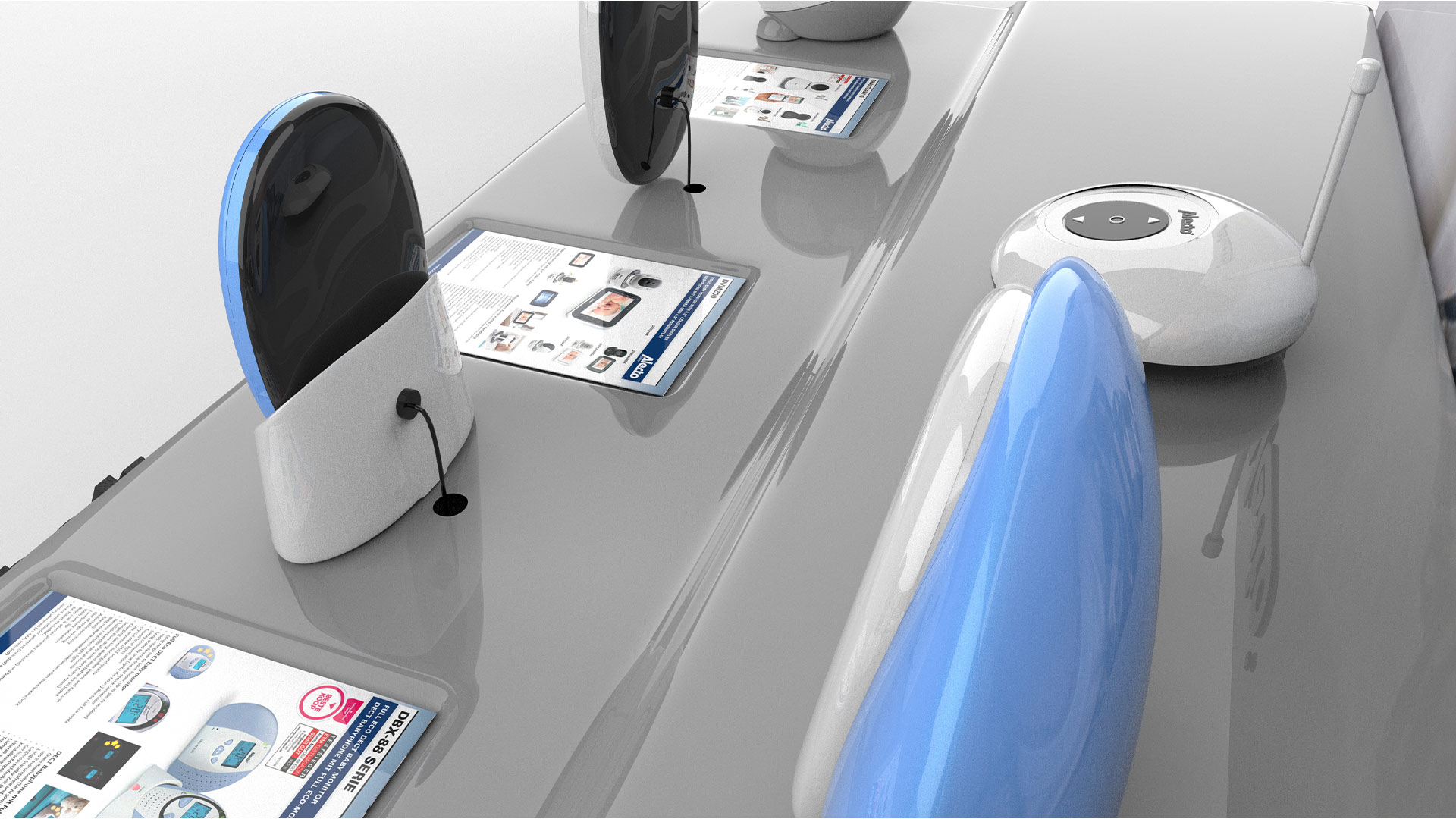
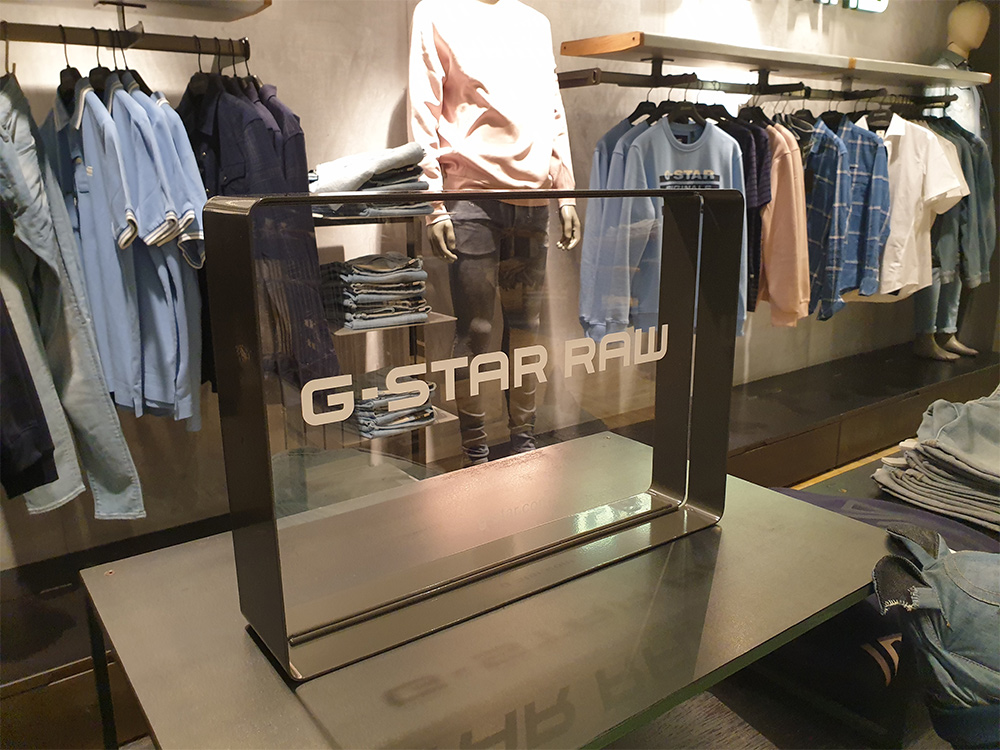
A custom display is designed with the moment of use in mind. The display’s function, the environment, and user behavior determine its appearance and how it is used. This approach is what distinguishes a display that simply looks good from one that actually works within its context. That moment of use varies by industry. In retail, the emphasis is on visibility and product selection. At trade shows, it’s on capturing attention briefly and enabling quick orientation. In healthcare, education, and government, the focus is on clear and uncluttered information. In the hospitality and hotel industries, the goal is to provide a clear overview without dominating the space. A custom display only functions effectively when these differences are explicitly incorporated into the design. Would you like to learn more about this?

Display op maat
Maatwerk begint bij functie

Tailored to your needs

Customization starts with function

Many projects start with an idea about form or appearance. At Dutch Display, the process begins with the question of what the display needs to do. Will it be used intensively or installed for the long term? Should it inform, assist with decision-making, or primarily be visible? And under what circumstances will this take place?

For example, a display for a healthcare setting requires a different approach than one for a trade show. In the former, maintenance, safety, and a calm atmosphere are key considerations. In the latter, transportation, setup time, and flexibility are decisive factors. By making this distinction early on, we create a design that’s tailored to practical needs—not just aesthetics.


Contact us
icoon Vouwbaar ontwerp

Low shipping costs

Thanks to our smart folding systems

Op maat of in serie geproduceerd

Custom-made or mass-produced

From single items to large runs

icoon Recyclebare materialen

100% recyclable materials

Demonstrably sustainable

Ontwerpen vanuit de gebruikssituatie

Everything is open to discussion

Designing Based on the Context of Use

A custom display is always designed with the space in which it is placed in mind. Viewing distance, foot traffic patterns, available space, and interaction determine its shape and layout. In some situations, this calls for an eye-catching presentation; in others, a more understated and supportive role.

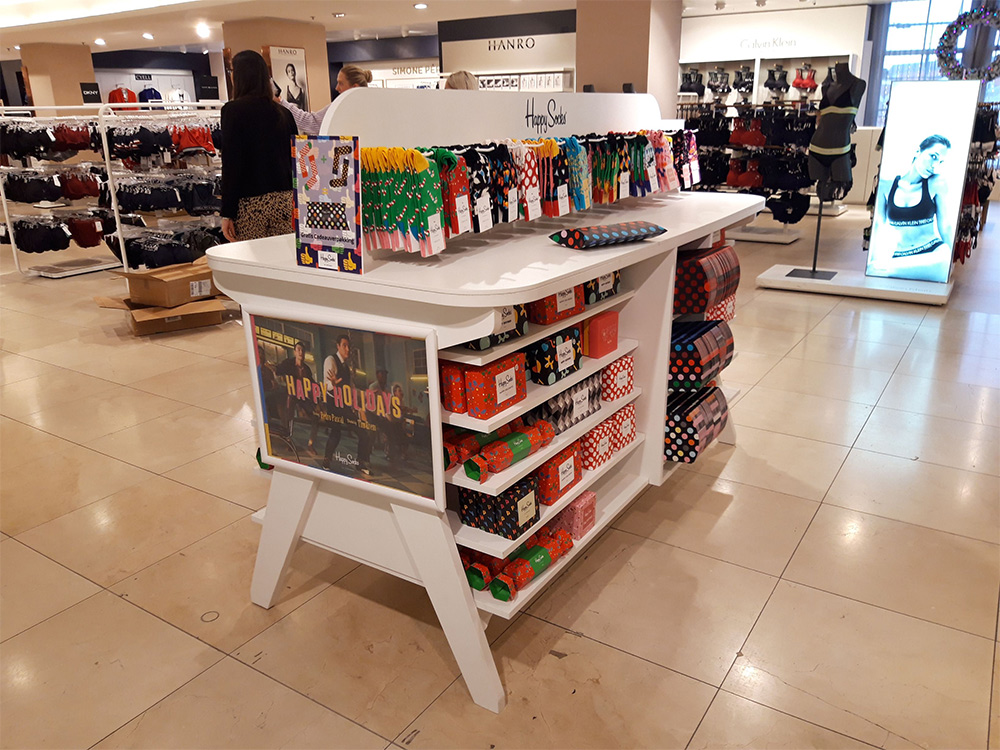
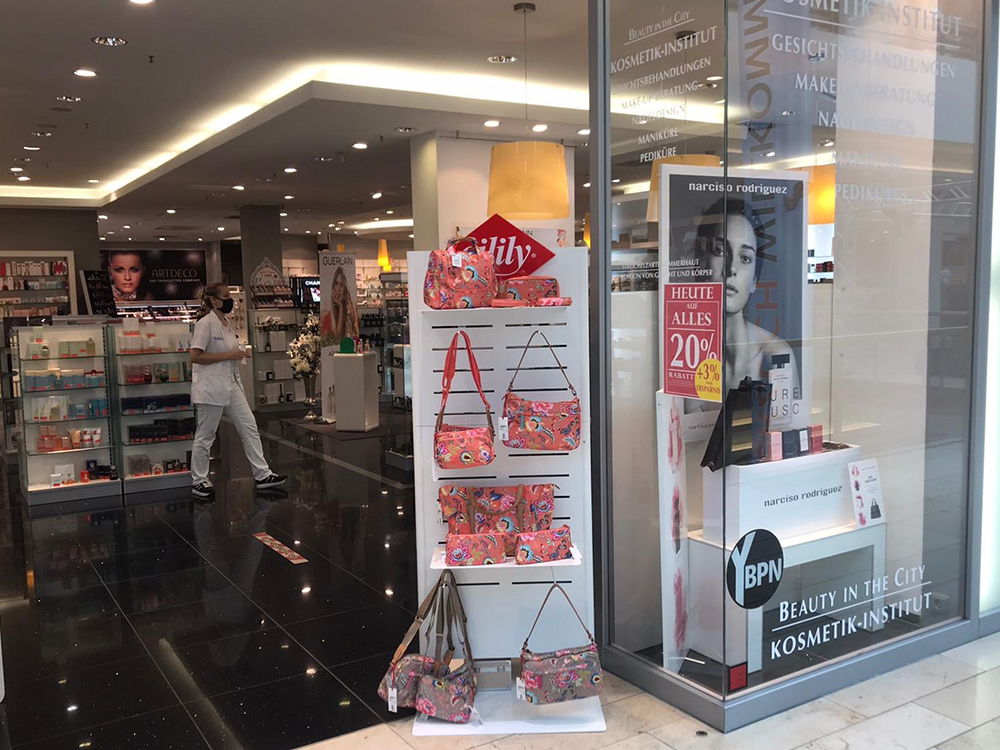
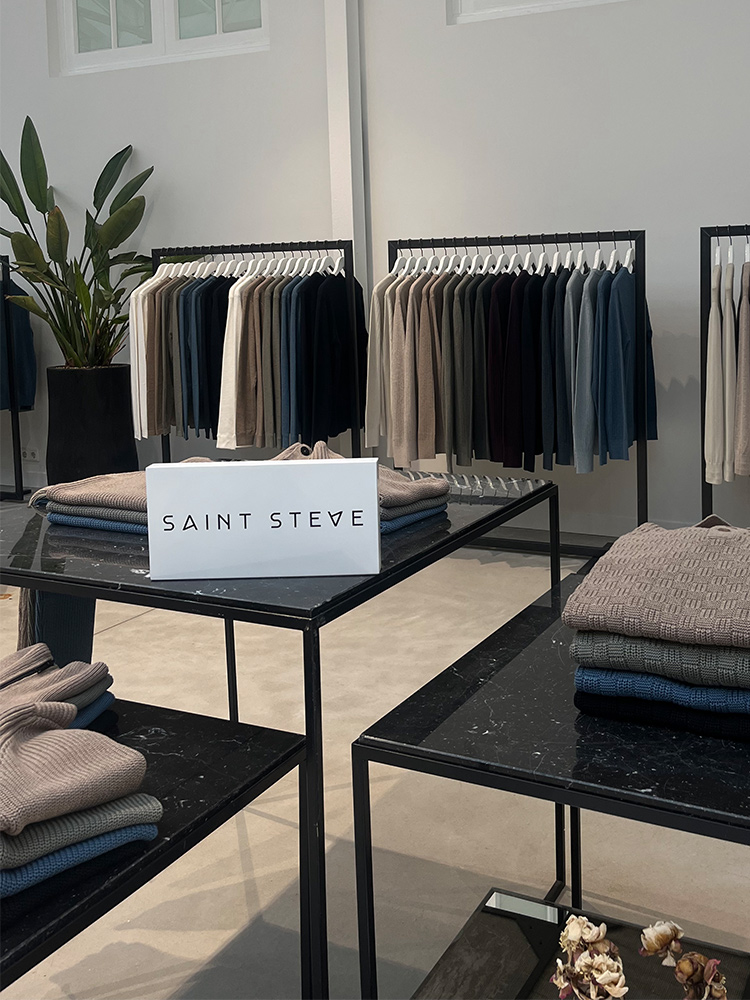
In retail, a display often complements existing shelves and facilitates product comparisons. In the hospitality industry, the focus is on compact solutions that provide a quick overview. In automotive settings, a display supports the conversation and helps clarify options or next steps. These differences guide the design, without making it unnecessarily complex.

Contact us
Frank Zomer Dutch Display

Ready to turn your idea into something tangible?

Contact us today. With just one click, we’ll take the first step from sketch to display. From the very first idea to a striking final result that’s ready to make an impression.

Contact us

Dutch Display

Our Projects

Dutch Display
Happy socks
Winkelproject
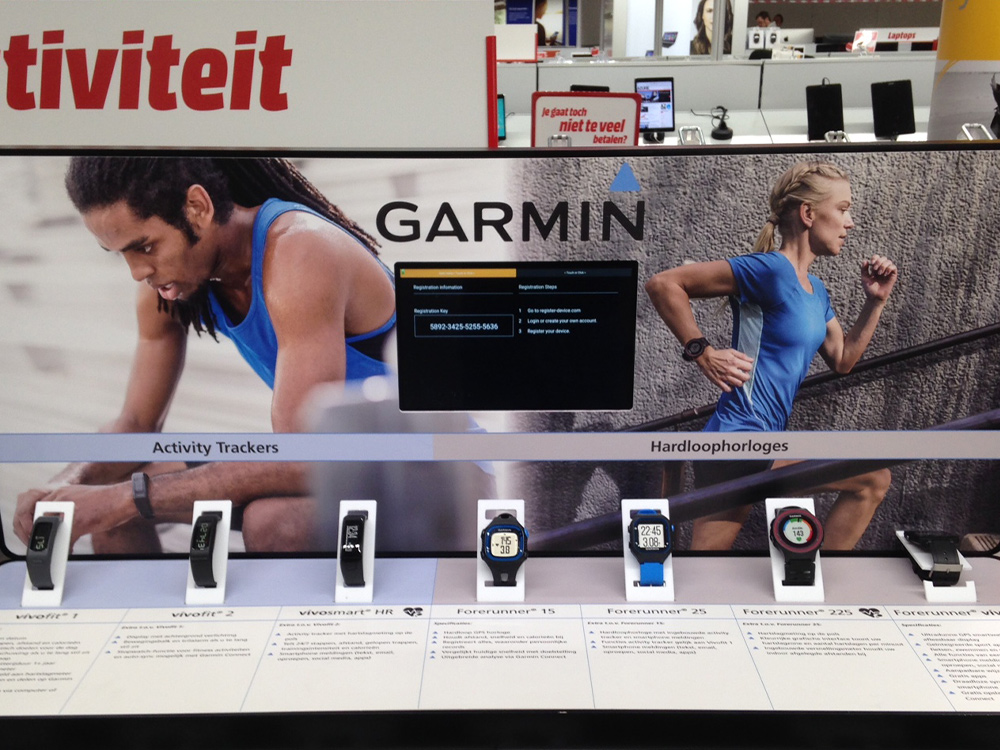
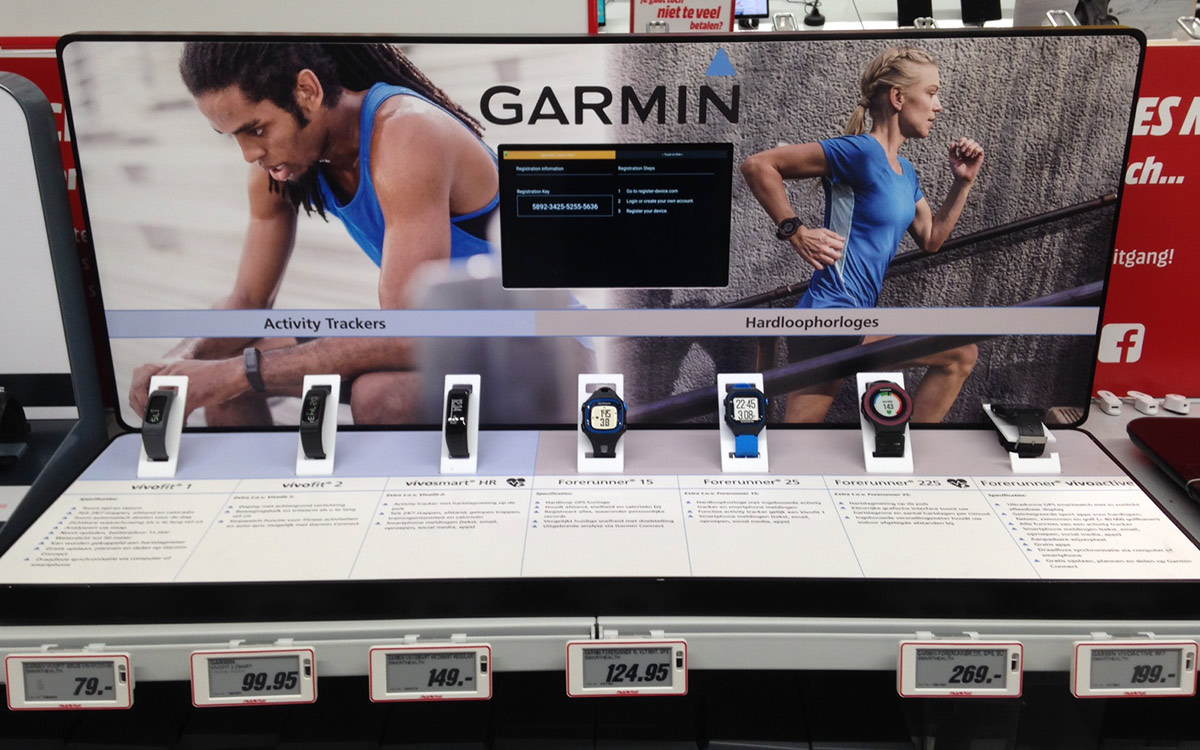
Garmin
Van idee naar uitvoerbaar ontwerp

A method that works for you

From Idea to Feasible Design

Once the function and context are clear, the design is developed in technical detail. Material selection, construction, and finish are determined based on service life, load, and maintenance. Cardboard, wood, and metal are chosen for their properties and suitability for the application.

Visualizations are used to assess how the design fits within the space and aligns with its intended use. In situations where the display is used intensively or repeatedly assembled, a prototype may be part of the process. The goal remains the same: a display that is feasible to build and functions reliably during use.

Contact us
Kosten, levensduur en afweging

A method that works for you

Costs, Lifespan, and Considerations

A custom display requires realistic decisions. By distinguishing in advance between technical lifespan and commercial lifespan, it becomes clear how long a display will add value within its application. This prevents investments that seem logical at the time of delivery but lose their effectiveness once in use.

In some situations, customization is efficient because it precisely matches the intended use. In other cases, a simpler solution is sufficient. The decision is made based on application, adaptability, and return on investment over time—not simply because it’s labeled “custom.”

Contact us
Toepassing in verschillende branches

Dutch Display

Applications in Various Industries

Dutch Display applies the same design principles across a wide range of industries. In retail, the focus is on product presentation and positioning. At events and trade shows, the emphasis is on temporary visibility and a clear hierarchy of information. In the hospitality and hotel industries, the focus is on striking a balance between aesthetics and functionality.

In healthcare, education, and government, the emphasis is on clarity, safety, and sustainability. In tourism and culture, the focus is on routing and contextual information. The automotive sector requires a presentation that supports advice and the user experience. The decision-making moment within the environment always determines the role of the display.

Contact us

Read our reviews

What do our customers say?

Sanne de Vries

(5)

“Dutch Display guided us perfectly from start to finish. They understood our idea right away and came up with creative solutions we would never have thought of ourselves. The end result exceeded our expectations!”

Mark Jansen

(5)

“Professional, fast, and incredibly flexible. Even with our tight deadline, they delivered a display that not only looks fantastic but also delivers immediate results in the store.”

Laura van den Berg

(5)

“The team at Dutch Display really works with you to find the best solution. From the first sketch to the prototype, everything went smoothly and was clear. We’re extremely satisfied and will definitely work with them again!”

Samenwerkingen

Who do we work with?

Steve Madden logo
Siemens Gamesa logo
Hannah logo
Hamat logo
Garmin logo
Fashion group logo
BCC logo
Arkopharma logo

Dutch Display

Read our blogs here

View all blogs

How can we help?

Frequently Asked Questions About Custom Displays

Do you have a question about our process or how we work? Below you’ll find answers to the most frequently asked questions. That way, you’ll know exactly what to expect—from the initial idea to the final delivery.

Contact us

What makes a custom display different from a standard display?

A standard display is based on a fixed format or model and is customized within existing limits. A custom display is designed with a specific application in mind. The environment, the context of use, and the role of the display determine its shape, construction, and choice of materials. As a result, the display is better suited to the practical situation in which it is used.

When does a custom display make sense?

Customization makes sense when the environment, intended use, or message differs from what standard solutions can accommodate. This could involve limited space, specific safety or sustainability requirements, temporary use, or an application in which the display serves multiple functions. It’s not about exclusivity, but about functional suitability.

Is a custom display also suitable for small runs?

Yes. Print run size is not a determining factor for custom work. Custom work can be particularly effective for small print runs, because the display is tailored precisely to the application and requires no compromises in terms of functionality or appearance. Feasibility depends on the design, materials, and production method.

When is it a good idea to build a prototype?

A prototype is useful when the display is used intensively, is set up regularly, or plays a crucial role within its environment. Examples include trade show displays, displays in public spaces, or applications where safety and stability are essential. The prototype helps assess risks in advance.

How do you choose the right material?

The choice of material is determined by the duration of use, the load, the environment, and the desired adaptability. Cardboard is often used for temporary applications, wood for long-term installations, and metal for intensive use. The choice is based on functionality and tailored to the display’s lifespan.

Are custom displays always permanent?

No. Many custom displays are temporary or modular in design. They are designed for repeated use, changing messages, or deployment at multiple locations. The degree of permanence is tailored to the intended use and the commercial lifespan.