Education & Government

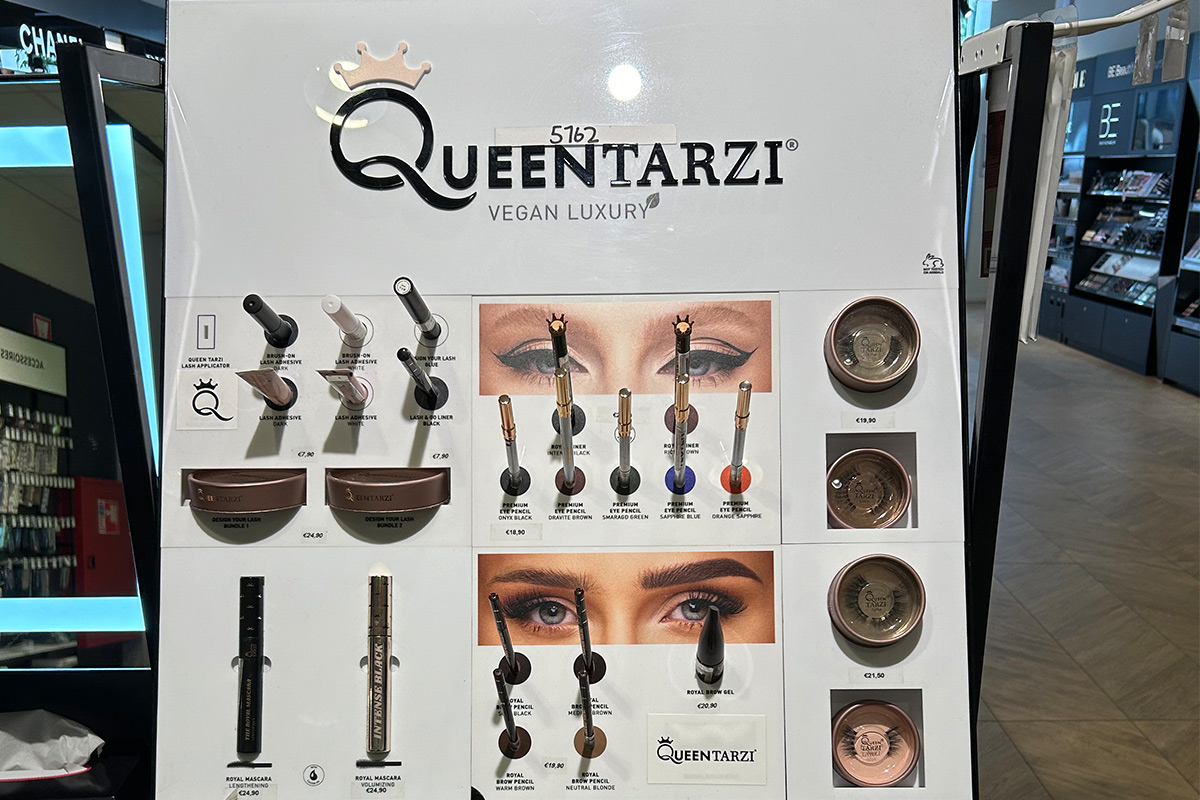
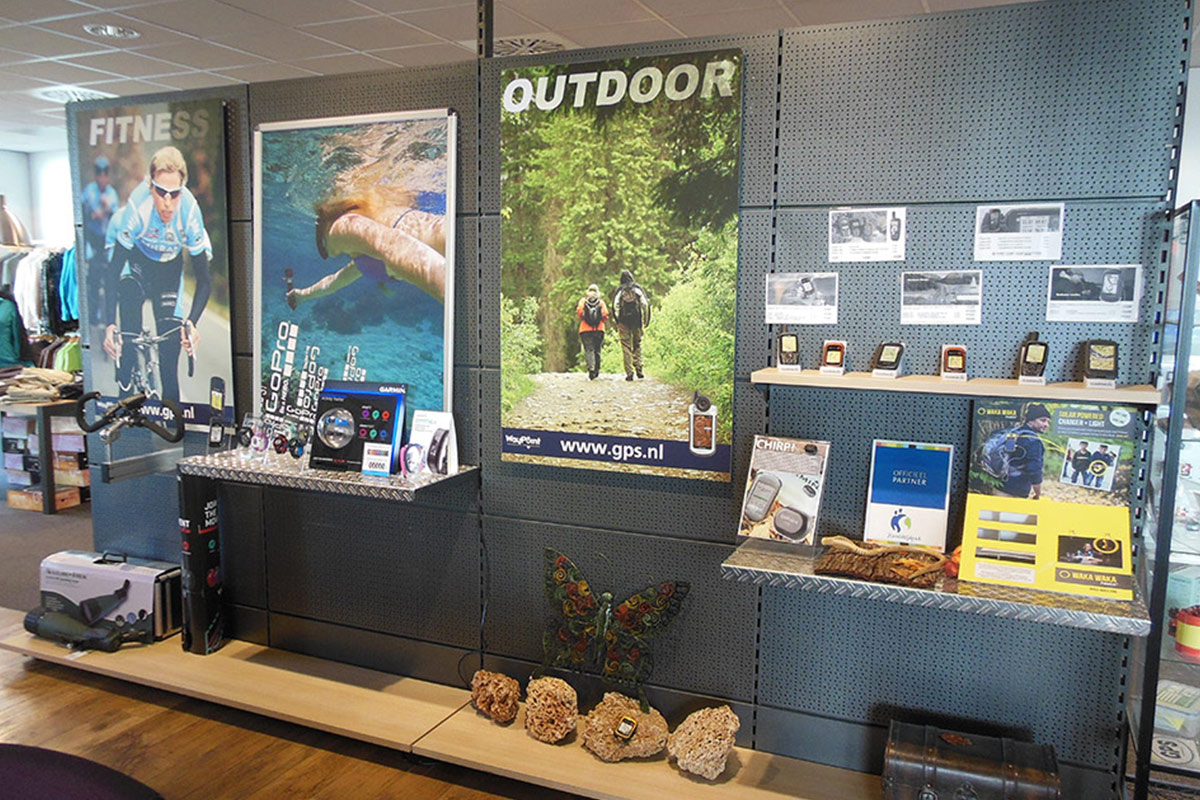
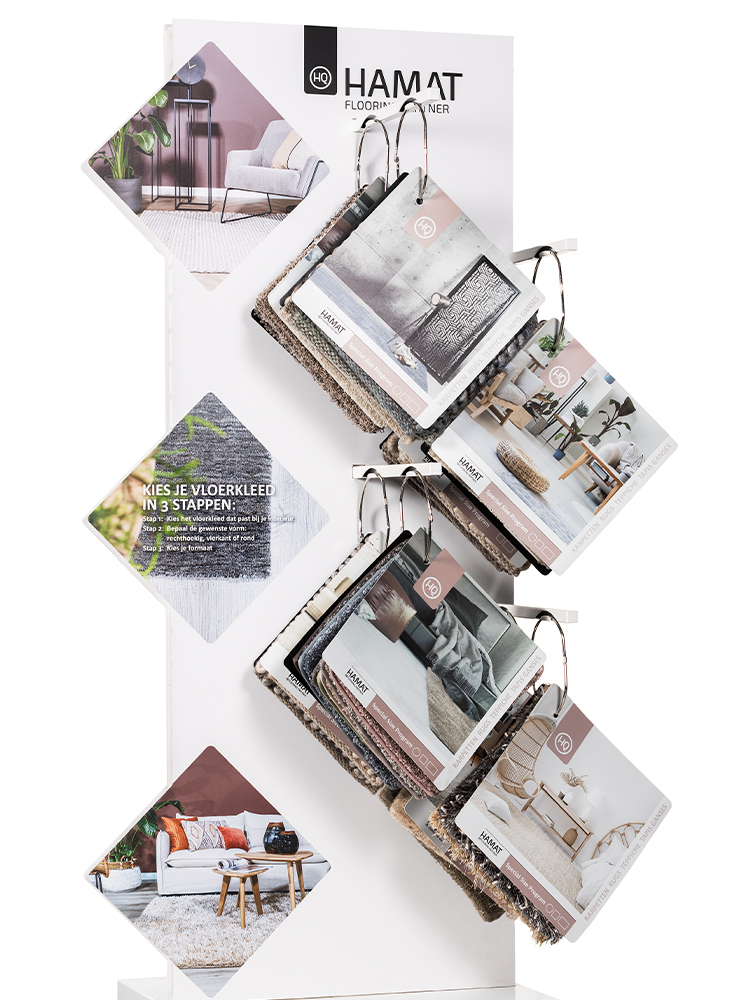
In educational institutions and government buildings, clear communication is key. Do you want to convey a message? Then you need to think carefully about how that message will be received. Displays help convey information in a calm and practical way. They’re used in classrooms, auditoriums, waiting rooms, and lobbies. In education and government, displays are primarily used for awareness campaigns or informational brochures. How are you perceived in the education sector or by the government?

Onderwijs en Overheid
Displays overheid

First Impressions

Why Displays Work in Education and Government

People communicate a lot in public spaces, but very little is actually noticed. Flyers get lost in racks, and posters get lost among the clutter on busy bulletin boards. A display draws the eye. It stands on its own—both literally and visually—and therefore attracts attention more quickly. In the education and government sectors, displays are rarely used for commercial promotion. The focus is on informing, engaging, or raising awareness. Displays must therefore be tailored to these purposes.


Contact us
icoon Vouwbaar ontwerp

Low shipping costs

Thanks to our smart folding systems

Op maat of in serie geproduceerd

Custom-made or mass-produced

From single items to large runs

icoon Recyclebare materialen

100% recyclable materials

Demonstrably sustainable

Maatwerk is niet per se duur

Clearly Customized

Tailored to the space and the message

In educational institutions and government buildings, there’s no place for flashy displays. What matters here is clarity and calm. That calls for a custom solution: a display that strikes the right tone and blends effortlessly into its surroundings.

The message must be visible without coming across as intrusive. That’s why we design displays that suit the location—ranging from a compact display for a reading table to a sturdy freestanding model for an auditorium or the lobby of a city hall. Practical considerations also play a role. Does it need to be mobile? Does the information need to be updated? Can it only remain in place temporarily? By addressing these questions upfront, we create a solution that works for both the content and the space. We’re happy to explore options that meet your specific needs.

Custom Display
Frank Zomer Dutch Display

Ready to turn your idea into something tangible?

Contact us today. With just one click, we’ll take the first step from sketch to display. From the very first idea to a striking final result that’s ready to make an impression.

Contact us

Check out our reviews

What Our Customers Say

Sanne de Vries

(5)

“Dutch Display guided us perfectly from start to finish. They understood our idea right away and came up with creative solutions we would never have thought of ourselves. The end result exceeded our expectations!”

Mark Jansen

(5)

“Professional, fast, and incredibly flexible. Even with our tight deadline, they delivered a display that not only looks fantastic but also delivers immediate results in the store.”

Laura van den Berg

(5)

“The team at Dutch Display really works with you to find the best solution. From the first sketch to the prototype, everything went smoothly and was clear. We’re extremely satisfied and will definitely work with them again!”

Dutch Display

Read our blogs here

View all blogs

How can we help?

Frequently Asked Questions

Do you have a question about our process or how we work? Below you’ll find answers to the most frequently asked questions. That way, you’ll know exactly what to expect—from the initial idea to the final delivery.

Contact us

How can you ensure that a display doesn’t come across as too commercial in a public space?

We pay attention to that right from the design stage. The look and feel is calm; we often use neutral colors, clear typography, and imagery that aligns with the subject or campaign.

Is accessibility taken into account?

Most displays are at eye level or are easily accessible, even for people in wheelchairs. Font size, contrast, and simplicity also play a role in the design, especially when it comes to communicating with a broad audience.

Can a display also serve an educational purpose, for example, in schools?

There are many ways to use displays for educational purposes. For example, with activity cards, teaching materials, or QR codes that link to digital resources.